
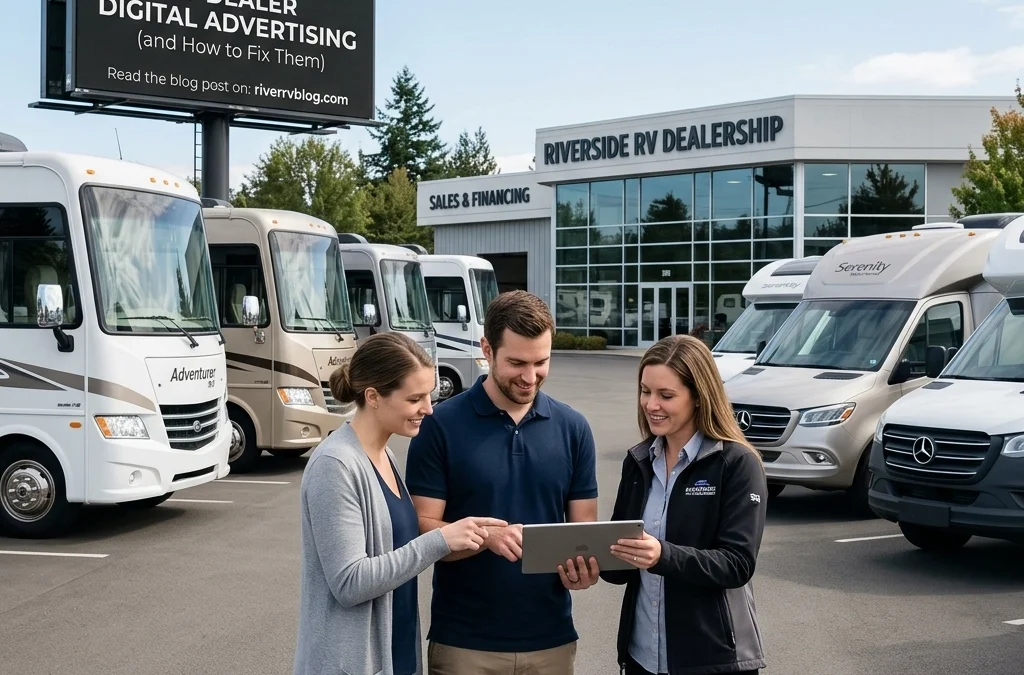
Hello world! It is a great day to talk about the open road. If you are running an RV dealership, you know that the business is changing. Gone are the days when a big balloon and a local newspaper ad were enough to clear the lot. Today, your customers are starting their journeys on their phones and laptops. They are researching floor plans, towing capacities, and campsites long before they ever step foot on your lot.
At Drive Fear Free, we see a lot of dealers doing great things. But we also see some common traps. Digital advertising can feel like a maze, and it is easy to take a wrong turn. If your leads are low or your ad spend is high without the sales to show for it, you might be making one of these mistakes.
Let’s look at seven common digital advertising mistakes RV dealers make and, more importantly, how you can fix them today.
1. You Are Invisible in Local Search Results
The biggest mistake is simply not being found. When someone in your town searches for "best travel trailer for a family of four," does your dealership show up? If you are not on that first page of Google, you basically don't exist to that buyer.
Many dealers focus on national keywords, but RVing is often a local or regional activity. People want to buy from someone nearby so they can bring the rig back for service.
How to Fix It:
Focus on your local SEO. Make sure your Google Business Profile is completely filled out. Use photos of your actual lot and your team. Ask your happy customers to leave reviews. When you write descriptions for your inventory, mention your city and surrounding areas. This helps Google connect you with local buyers. For more on how this stacks up against old-school methods, check out digital billboards vs traditional ads.

2. Burning Your Budget on "Ghost" Keywords
Are you running Google Ads? That is great. But are you watching where the money goes? A common mistake is using keywords that are too broad. If you bid on the word "RV," you are going to pay for clicks from people looking for RV rentals, RV parts, or even just pictures of RVs. You are spending money on people who have no intention of buying a vehicle from you.
How to Fix It:
Use specific, "long-tail" keywords. Instead of "RV," try "Class C motorhomes for sale in Denver." Also, use "negative keywords." Tell Google you do not want to show up for "rentals" or "used parts" if you don't offer those. This ensures your money is only spent on people ready to make a purchase.
3. Treating Social Media Like a Classified Ad Page
Hello world! Welcome to the world of social media. A lot of RV dealers make the mistake of only posting "SALE" graphics. If your Facebook page looks like a digital flyer, people will scroll right past it. Social media is about building a community and a lifestyle. RV buyers are buying a dream, not just a box on wheels.
How to Fix It:
Start sharing the lifestyle. Post pictures of customers picking up their new rigs. Share tips on the best local campgrounds. Show a video of how to properly level a trailer. When you do post inventory, make it look professional but approachable. Engagement is key. If you are wondering if social media still matters, read about traditional ads vs social media in 2025.

4. Letting Your CRM Gather Dust
This is a big one. You spend thousands of dollars to get a lead from a Facebook ad or a website form. That lead goes into your CRM. And then… nothing happens. Or maybe someone calls them three days later. In the digital world, three days is a lifetime. If you don't respond fast, that buyer has already moved on to the next dealer.
How to Fix It:
Integrate your advertising directly with your CRM. When a lead comes in from a social media ad, it should pop up on your salesperson’s phone instantly. Speed to lead is the most important metric in digital sales. You want to be the first person they talk to. We talk a lot about this in our post on CRM integration vs social media management.
5. Ignoring the "Fear Factor" of Driving Big Rigs
Many potential RV buyers are actually terrified. They love the idea of the campfire, but they are scared to death of towing a 30-foot trailer or driving a giant Class A motorhome. If your advertising only talks about the price and the floor plan, you are missing the biggest hurdle to the sale.
How to Fix It:
Promote "Driver Confidence." Mention that your dealership offers training or support. At Drive Fear Free, we believe that a confident driver is a happy buyer. Use your digital ads to show how easy it can be. Mention your driver confidence programs in your social media posts. This builds trust and removes the "fear" barrier that stops many people from hitting the "buy" button.
6. Missing Out on the Younger Generation
The average age of an RV buyer is dropping. Younger families and "digital nomads" are entering the market in huge numbers. If your advertising is only on the local evening news or in older magazines, you are missing the future of your business. These younger buyers are on TikTok, Instagram, and they are even into gaming and esports.
How to Fix It:
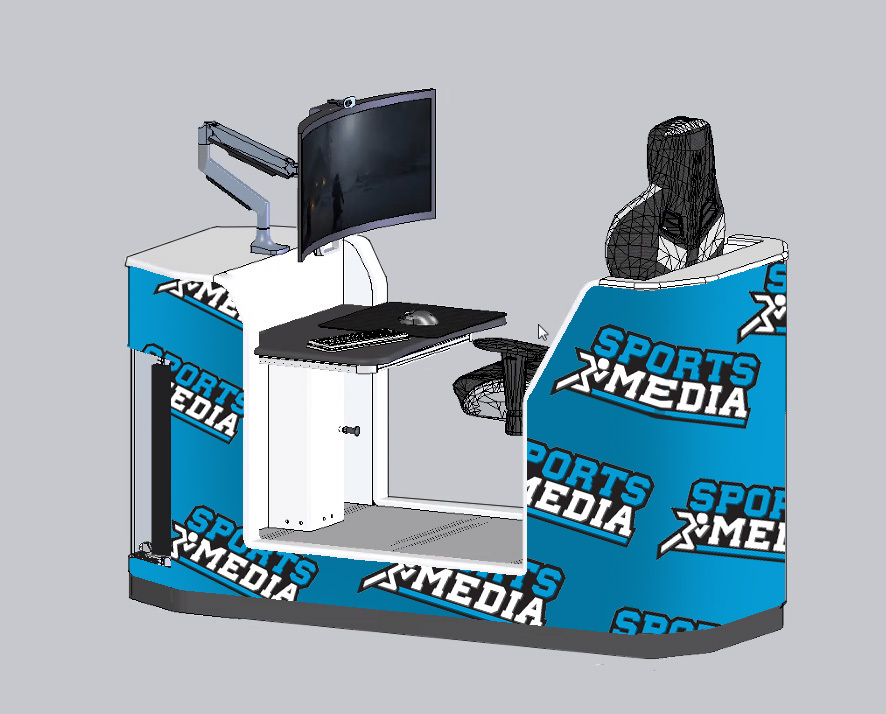
Get creative with your outreach. Have you considered sponsoring a high school esports team? It sounds crazy, but that is where the parents are, too. Using something like an esports racing pod at a local event can draw a massive crowd of young families to your brand. Check out these 50 high school partnership examples to see how you can connect with the next generation.
7. Giving Away the Price for Nothing
We see this all the time. A dealer puts the "Rock Bottom Price" right on the website for everyone to see. While transparency is good, it gives the shopper no reason to talk to you. They take your price, call the guy down the road, and ask him to beat it by $500. You did all the work, and the other guy got the sale.
How to Fix It:
Use a "Unlock Your Best Price" or "Get Today's Special Quote" button. Ask for a name and an email address in exchange for the price. This turns a casual browser into a lead. Now you have the chance to build a relationship, explain your value, and talk about your service department and driver confidence programs.

Putting It All Together
Digital advertising doesn't have to be complicated. It is just about being in the right place, at the right time, with the right message.
Start by fixing your local search presence. Make sure people near you can find you. Then, look at your ad spend. Are you wasting money on broad terms, or are you being specific?
Take a look at your social media. Is it a conversation or a lecture? Try to make it a conversation. Ensure your CRM is talking to your ads so you can respond to leads in minutes, not days.
Don't forget to reach out to younger buyers through community events and esports. It’s a wide-open market. And finally, address the fear. Tell your customers that you will help them become confident drivers.
If you do these seven things, you will see your digital advertising start to work much harder for you. You'll spend less on wasted clicks and more time handing over keys to happy new RV owners.
If you need a hand with any of this, or if you want to learn more about how driver confidence programs can help your sales, we are here to help. You can explore our site at drivefearfree.com to see how we help dealers like you every day.
Selling RVs is about selling freedom. Your digital ads should feel just as exciting as the first trip in a new rig. Keep it simple, keep it casual, and keep it focused on the customer. You've got this!