
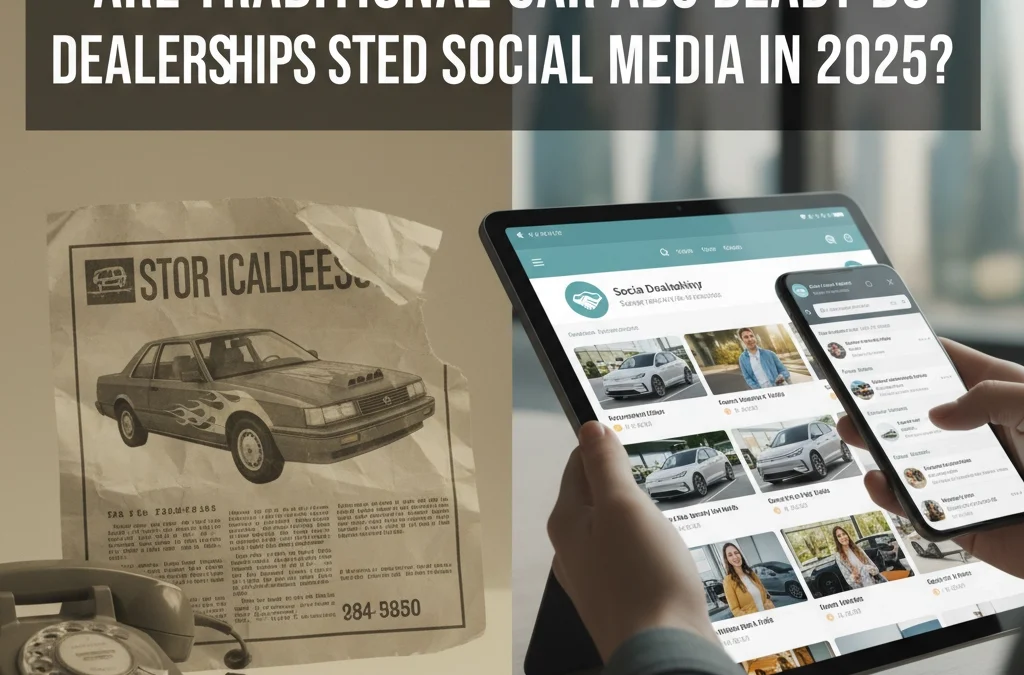
Hello world! Let's talk about something every dealership owner is asking right now. Are those newspaper ads and radio spots still worth the money? And more importantly, is social media actually moving cars off the lot?
The short answer? Traditional ads aren't completely dead, but they're on life support. Social media isn't just helpful anymore: it's essential for survival in 2025.
The Numbers Don't Lie About Traditional Advertising
Here's what's really happening out there. 95% of car shoppers now turn to the internet for research before making a purchase decision. That means your expensive newspaper ad is reaching maybe 5% of potential buyers at best.
Traditional marketing methods like print ads, radio spots, and direct mail campaigns are losing their punch fast. Why? Because consumers have completely changed how they shop for cars. They're not driving around town looking for "Sale!" banners anymore. They're sitting on their couch with a smartphone, comparing prices, reading reviews, and watching video tours.
Think about your own buying habits. When did you last flip through a newspaper to find a car? Probably never. Your customers aren't either.
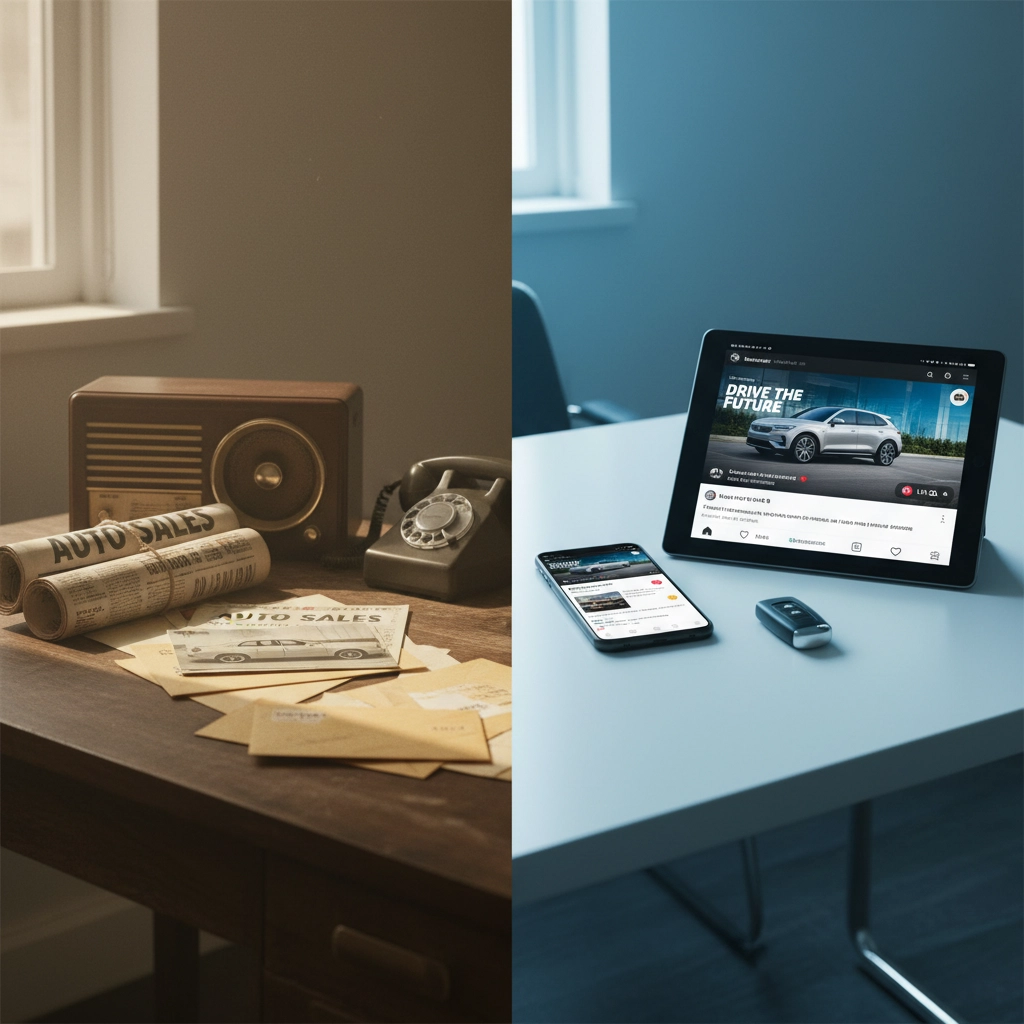
Social Media Isn't Optional Anymore
Over 95% of vehicle buyers begin their research online, with digital channels becoming twice as influential as in-person dealership visits. This isn't just about having a Facebook page that you update once a month. Social media has become the new showroom floor.
Here's the kicker: 45% of Americans say they're open to purchasing their next vehicle through social media. That's not just browsing or getting ideas: that's actual buying. Social platforms are becoming sales channels, not just marketing tools.
For dealerships in 2025, social media delivers what traditional ads can't:
- Real-time customer conversations
- Immediate responses to questions
- Video walkarounds and virtual tours
- Customer testimonials and reviews
- Targeted advertising to specific demographics
What Social Media Actually Does for Your Dealership
Brand awareness happens naturally when you're posting regularly. Your dealership stays top-of-mind when someone's ready to buy. But it goes deeper than that.
Social media drives actual website traffic. When you post car listings, promotions, or helpful content with direct links, people click through. Traditional ads can't do that: there's no immediate action someone can take from a radio spot.
The direct customer engagement is where social media really shines. Someone comments on your post asking about financing options? You can respond immediately. Someone messages you about a test drive? You can set it up right then. Try doing that with a newspaper ad.

The Cost Reality Check
Social media advertising costs a fraction of what you'd spend on newspaper or television ads, and it reaches thousands more potential customers. You can target people by age, income, location, and even whether they're currently in the market for a specific type of vehicle.
Traditional ads are like throwing money at a wall and hoping some sticks. Social media lets you put your message directly in front of people who are actually looking to buy.
Traditional Advertising Is Evolving, Not Dying
Now, before you cancel every traditional ad campaign, understand this: traditional methods aren't disappearing completely. They're evolving.
Connected TV (CTV) is growing as a dominant advertising channel in 2025. Platforms like Hulu, Roku, and YouTube TV let you deliver highly targeted ads that combine the reach of traditional TV with the precision of digital marketing. You can target by geographic location, household income, and vehicle ownership history.
This is what the future looks like: traditional media formats powered by digital targeting and analytics.
Building Community Through Modern Marketing
Here's where things get interesting for the automotive industry as a whole. Social media and modern marketing aren't just about selling cars today. They're about building the workforce of tomorrow.
When dealerships, manufacturers, parts distributors, and repair shops sponsor esports pods and driver simulators in high schools, they're using modern marketing to solve a real problem. These programs introduce students to careers in automotive welding, repair, sales, and engineering: not just driving.
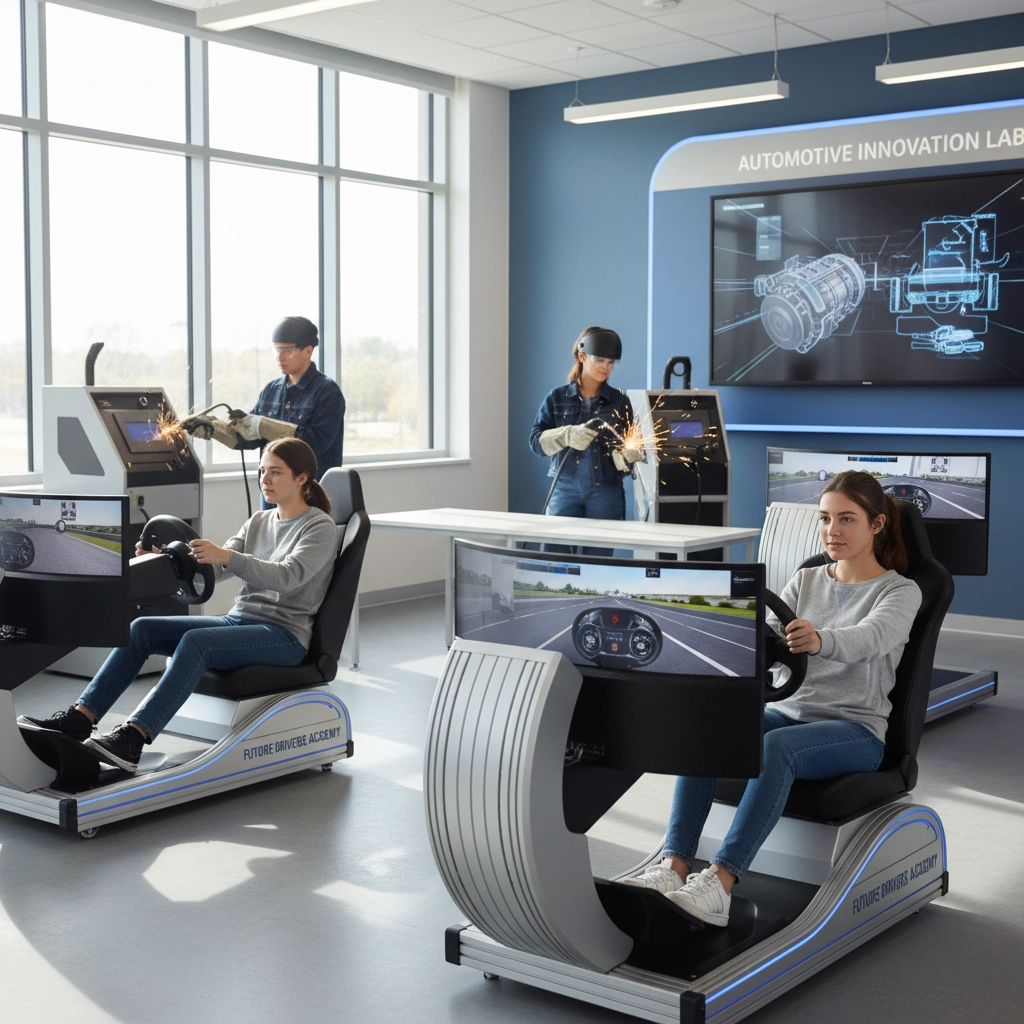
This community approach to marketing does something traditional ads never could. It builds relationships with the next generation before they even need a car. It shows them that the automotive industry offers real career opportunities. And it positions your business as one that cares about the community's future.
The Data-Driven Difference
Digital advertising gives you something traditional ads never could: real numbers. You can see exactly who clicked, who called, who visited your website, and who bought a car. With traditional ads, you're basically guessing whether they worked.
Social media platforms provide detailed analytics showing which posts get the most engagement, what types of content your audience prefers, and when they're most active online. This data helps you improve your marketing continuously instead of running the same ad format for months without knowing if it's effective.
Making the Transition
If you're still relying heavily on traditional advertising, the transition to social media doesn't have to be overwhelming. Start simple:
- Post consistently on Facebook and Instagram
- Share photos and videos of your inventory
- Respond promptly to comments and messages
- Run targeted ads to people in your area who are interested in vehicles
The key is consistency and engagement. Social media rewards businesses that show up regularly and interact genuinely with their audience.

Looking at the Bigger Picture
The automotive industry is facing a workforce shortage. Young people don't see the career opportunities available in automotive welding, repair, engineering, and sales. Traditional advertising can't solve this problem because it doesn't reach young people effectively.
Social media marketing, especially when combined with community programs like high school partnerships and simulator sponsorships, addresses both immediate sales needs and long-term industry challenges. You're not just marketing cars: you're marketing careers and building the next generation of automotive professionals.
The Bottom Line for 2025
Traditional car ads aren't completely dead, but they're definitely not healthy. The effectiveness has dropped dramatically as consumer behavior has shifted online. Meanwhile, social media has become essential for reaching today's car buyers.
The dealerships thriving in 2025 are those that have embraced digital marketing while maintaining community connections. They use social media to reach customers where they are, when they're shopping. And they're thinking beyond just the next sale to building relationships that last.
Your marketing strategy needs to reflect how people actually shop for cars today. They research online, they engage on social media, and they make decisions based on digital interactions long before they step foot in a dealership.
The question isn't whether you need social media: it's whether you can afford to ignore where your customers are spending their time. In 2025, that's definitely not in the newspaper classifieds.