
By Victoria Teresa Alescio | Drive Fear Free
Hello world! Welcome to Drive Fear Free Daily, a practical morning briefing for automotive, boat, and RV dealership professionals.
Today’s focus is simple:
- Generate more qualified leads.
- Improve follow-up with CRM automation.
- Build dealership growth through local partnerships.
- Use driver education and small footprint simulators to create trust.
- Connect community programs with measurable advertising.
You do not need to change your entire marketing plan today. Start with one clear action from each section below.
Marketing Tip: Give Every Campaign One Clear Offer
Many dealership campaigns ask customers to do too much. They may mention new inventory, service specials, financing, trade-ins, and community events in the same message.
A simpler approach is usually easier to understand and easier to measure.
Choose one offer for each campaign, such as:
- Get a trade-in estimate.
- Book a test drive.
- Schedule a boat or RV walkaround.
- Reserve a seat at a teen driver safety clinic.
- Download a towing or boating safety guide.
- Learn about a local high school simulator sponsorship.
Use one landing page and one call to action. Keep the form short. Ask only for the information your team needs to respond.
A basic lead form may include:
- Name
- Phone number or email
- Vehicle, boat, or RV of interest
- Preferred contact method
Avoid sending every lead to your homepage. Send each person to a page that matches the offer. A family interested in a driver education event should not land on a page filled only with vehicle inventory.
For more ideas, review Drive Fear Free’s guide to CRM integration and social media management.
CRM Tip: Build a Five-Step Follow-Up Sequence
A lead is only valuable when your team responds and continues the conversation.
Set up a simple CRM workflow for every new inquiry. The exact steps may vary by system, but the structure can remain consistent.
Step 1: Send an immediate confirmation
Send a short message as soon as the lead submits a form.
Hi [First Name], thanks for reaching out to [Dealership Name]. We received your request about the [vehicle, boat, or RV]. Would you prefer a call today or tomorrow?
Keep the message direct. Do not send a long brochure or several links in the first message.
Step 2: Assign the lead to one person
The CRM should notify the correct team member. Leads should not sit in a general inbox without an owner.
Route leads based on:
- Vehicle department
- Boat or RV department
- New or pre-owned inventory
- Service or parts inquiry
- Driver education or community event interest
- Geographic location
Step 3: Add a helpful follow-up
If the customer does not respond, send useful information instead of repeating the same sales question.
Examples include:
- A vehicle comparison
- A towing checklist
- A boat storage guide
- An RV trip planning resource
- A teen driver safety article
- A link to an upcoming simulator session
Step 4: Set reminders for the sales team
Create tasks for the next business day, three days later, and one week later. The task should include the original request and the best next step.
For example:
- Confirm the customer received pricing.
- Ask whether the customer has a trade-in.
- Offer two appointment times.
- Send a walkaround video.
- Confirm attendance at a safety event.
Step 5: Stop or change the sequence
Automation should support personal communication. It should not continue sending messages after a customer has scheduled an appointment or requested no further contact.
Make sure your CRM records:
- Replies
- Appointments
- Missed calls
- Sales status
- Opt-outs
- Event attendance
This gives managers a clearer view of lead quality and follow-up performance.
Growth Hack: Turn School Sponsorships Into a Local Lead Program
A dealership can build long-term visibility by supporting local schools. A small footprint simulator can give students a controlled place to practice driving skills while creating a visible community connection for the sponsoring dealership.
The simulator does not need a large room or a permanent facility. It can be placed in a school, career center, community event, or dealership activation area.
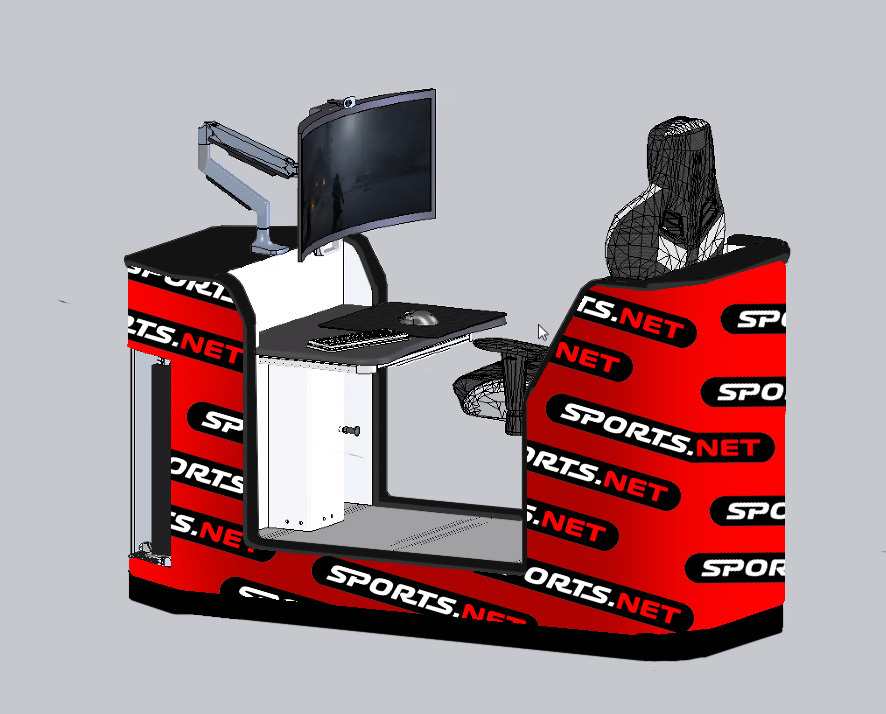
A sponsorship program can include:
- Simulator access for driver education classes
- Teen driver safety days
- Esports team support
- Career talks about dealership jobs
- Automotive technician program support
- Parent information sessions
- Community safety events
The marketing value comes from consistent participation, not one-time exposure. Students see the dealership name during the program. Parents learn who supports the program. School communications may also provide additional visibility.
To connect the program to lead generation, create a simple process:
- Choose one local school or community partner.
- Define the education goal.
- Add your dealership name to approved program materials.
- Create a QR code for event registration or a safety resource.
- Send event leads into a separate CRM list.
- Follow up with helpful information.
- Measure participation and future appointments.
The first conversation should focus on the school’s needs. Ask what equipment, support, or education resources would be useful. A community partnership works best when it provides a clear benefit to students and families.
Read more about why dealerships should sponsor high school driver simulators.
Driver Education Insight: Use Simulation to Practice Before the Road
Simulator-based driver education gives students a safe and controlled environment for practice. It can help instructors introduce situations that are difficult or unsafe to recreate during a normal lesson.
Examples include:
- Night driving
- Rain or snow
- Hazard awareness
- Sudden traffic changes
- Highway merging
- Emergency braking
- Distracted driving risks
- Trailer backing
- Basic towing awareness
For boat dealerships, the same approach can support introductory lessons related to navigation, docking, and safe decision-making. For RV dealerships, simulator-based education can introduce towing awareness, backing practice, and vehicle size considerations.
The simulator should support instruction. It should not replace qualified teachers, local licensing requirements, or supervised real-world training.
A dealership can help make the lesson useful by providing:
- A trained instructor or community partner
- A short safety checklist
- A parent discussion guide
- A follow-up email with additional resources
- A scheduled event for questions and practice
Drive Fear Free provides driver education and simulator information for organizations interested in safe, practical training.
Advertising Tip: Connect Digital Out-of-Home With Your CRM
Digital out-of-home advertising can help dealerships reach people near schools, shopping areas, event venues, highways, marinas, and RV destinations.
The advantage is flexibility. Messages can be updated for:
- New inventory
- Seasonal promotions
- Service reminders
- Community events
- Safety clinics
- Boat show or RV show dates
- Weather-related offers
- Weekend appointment availability

Keep the message short. Use a clear headline, a location, and one action.
Examples:
- New Drivers: Reserve a Safety Session
- Trade In Your Vehicle This Week
- RV Towing Help Available Saturday
- Visit Our Boat Safety Clinic
- Scan for Local Inventory
Use a QR code only when it is large enough to scan safely and quickly. The code should lead to a mobile-friendly page with a short form.
To measure the campaign, use:
- A unique landing page
- A campaign-specific phone number
- A unique QR code
- UTM tracking on digital links
- A CRM source field
- Appointment and sales reporting
Digital advertising should not operate separately from your sales process. If someone scans a sign for a simulator event, the CRM should identify that source and place the lead in the correct follow-up sequence.
Learn more about digital billboards and dealership advertising.
A Simple Morning Routine for Dealership Managers
Use this checklist each morning:
1. Review yesterday’s new leads
Look for leads without an assigned owner or completed response. Fix those first.
2. Check response time
Review how long it took the team to respond. Set a clear internal standard and monitor it each week.
3. Test one automation
Read one welcome message, reminder, or follow-up email. Remove unclear language. Check that every link works.
4. Review one campaign
Look at the source of recent leads. Compare social media, search, digital out-of-home, school events, and referrals.
5. Publish one useful message
Share a short vehicle tip, towing reminder, boating safety note, customer story, or simulator update.
6. Contact one community partner
Send a brief update to a school, instructor, event organizer, or local organization. Consistent communication helps partnerships continue.
What to Measure This Week
Keep your reporting simple. Track:
- New leads by source
- Lead response time
- Appointment rate
- Show rate
- Cost per lead
- CRM follow-up completion
- Simulator registrations
- Event attendance
- QR code scans
- Sales or service appointments connected to campaigns
For school programs, also track participation and parent engagement. The purpose is not to turn every student interaction into an immediate sale. The purpose is to build a useful relationship that can continue over time.
Start With One Action Today
Pick one action before the day gets busy:
- Create a short lead form.
- Add an instant CRM confirmation.
- Build a three-message follow-up sequence.
- Contact a local school about a simulator program.
- Add a QR code to a digital out-of-home campaign.
- Schedule a driver safety event.
- Review yesterday’s lead response times.
Drive Fear Free helps dealerships and automotive businesses connect marketing, community partnerships, simulator-based education, CRM integration, and digital advertising. Visit our services overview, learn more about Drive Fear Free, or review the education programs.
#DealershipMarketing #AutomotiveMarketing #CRMAutomation #DriverEducation #DigitalOutOfHome #BoatDealership #RVDealership #HighSchoolSponsorships #DriveFearFree