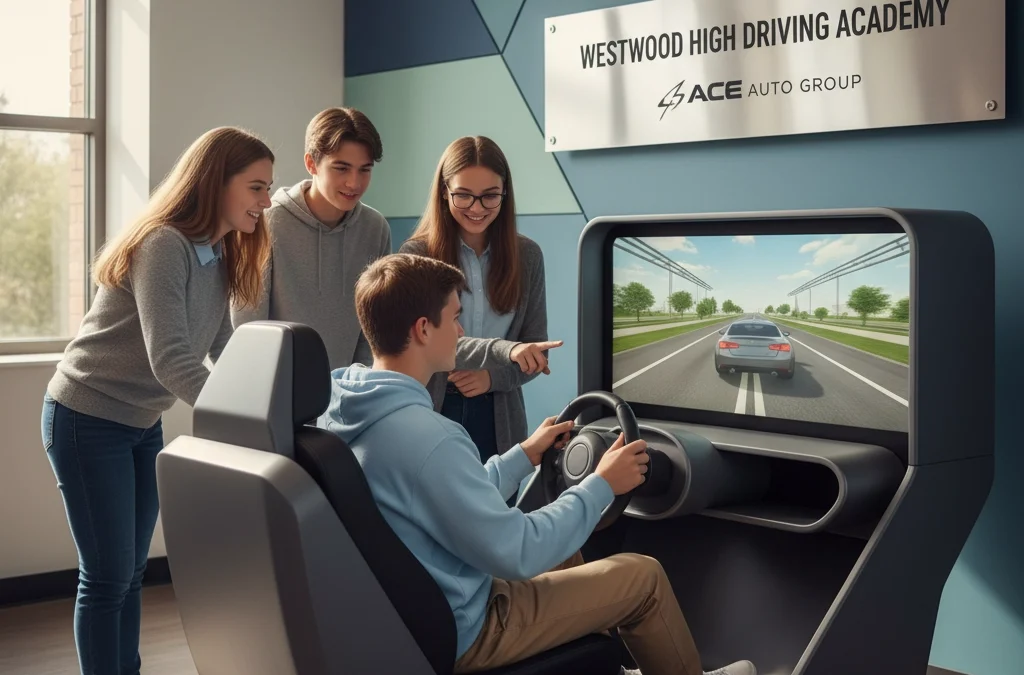
Hello world! Car dealerships across the country are discovering a powerful new way to build community connections, enhance brand visibility, and create future customer relationships. High school driver simulator sponsorships represent one of the most effective marketing investments available today.
These partnerships deliver measurable results for dealerships while supporting safer driving education in local communities. The approach combines immediate marketing benefits with long-term relationship building, creating win-win scenarios that strengthen both businesses and educational institutions.
The Safety Impact That Builds Brand Trust
Driver simulators provide students with risk-free environments to practice complex driving scenarios before encountering real-world hazards. Research shows that organizations implementing simulator-based training achieve up to 39 percent reductions in preventable motor vehicle accidents and improve driver retention by 7 percent.
When dealerships sponsor these programs, they become directly associated with improved safety outcomes. Parents and community members recognize the dealership as an organization that prioritizes public safety over pure profit motives. This association builds deep trust that translates into customer loyalty and positive word-of-mouth marketing.
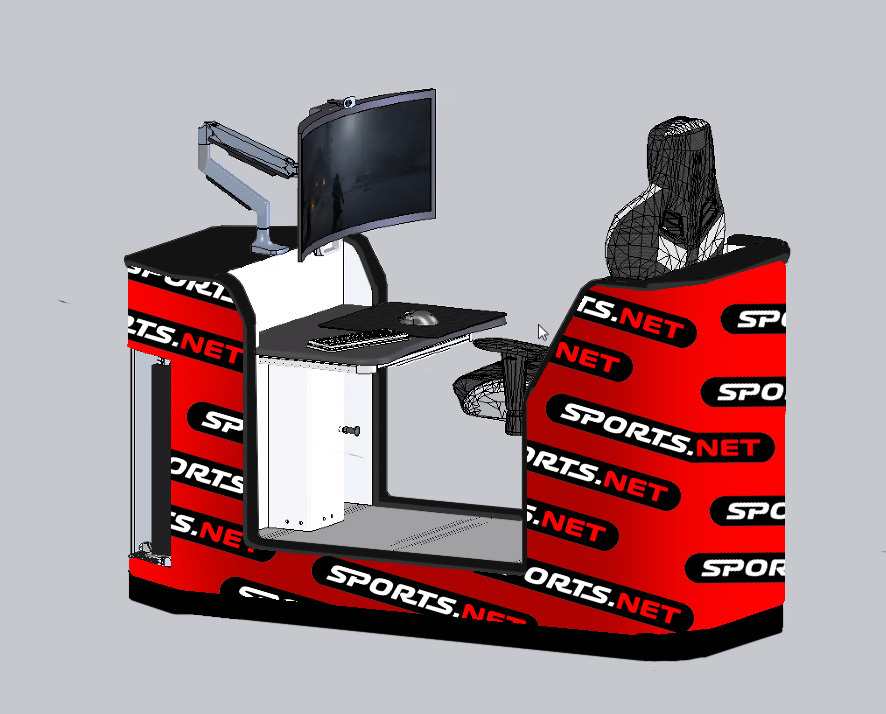
High school students using simulators gain experience with highway driving, night conditions, adverse weather, and emergency situations in controlled settings. They develop confidence and skills that make them safer drivers throughout their lives. Dealerships supporting these programs contribute to community-wide safety improvements while positioning themselves as responsible community partners.
Direct Access to Future Car Buyers
Sponsoring driver education programs provides dealerships with direct exposure to new drivers and their families at the exact moment they are considering vehicle purchases. Young drivers and their parents actively research first-car options, making them valuable target audiences for dealership marketing efforts.
The timing creates perfect marketing opportunities. Families engaged in driver education are simultaneously evaluating vehicle safety features, insurance costs, and purchasing options. Dealerships that sponsor simulator programs gain trusted advisor status during these critical decision-making periods.
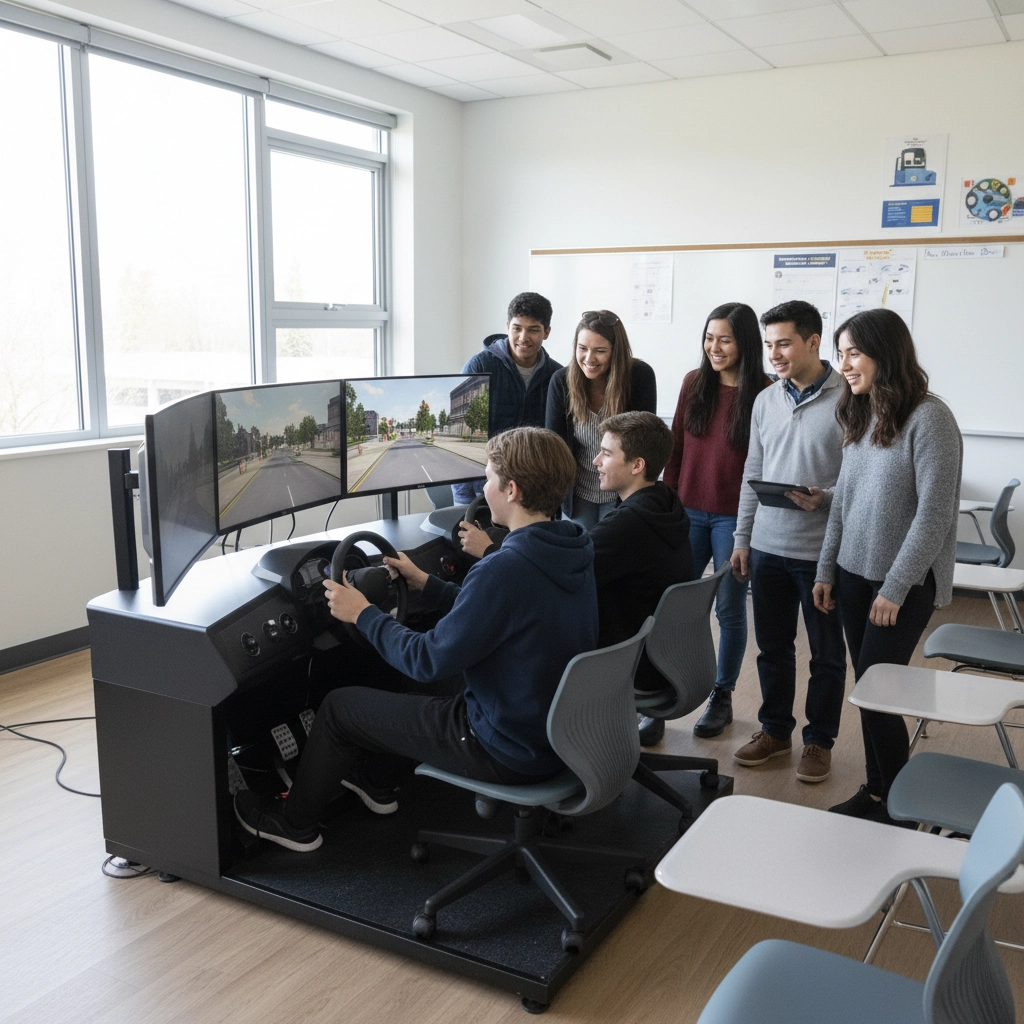
Students who benefit from dealership-sponsored programs develop positive brand associations that influence future purchasing decisions. These early relationships often extend beyond the initial vehicle purchase, creating lifetime customer value that far exceeds sponsorship costs.
Building Long-Term Community Presence
Community involvement through educational sponsorships enhances dealership reputations in ways that traditional advertising cannot achieve. Local families see the dealership as invested in their children's safety and success, not just interested in making sales.
This community presence generates organic marketing through parent networks, school communications, and local media coverage. School district newsletters, social media posts, and community events regularly highlight sponsor contributions, providing ongoing brand exposure to local audiences.
The approach also differentiates dealerships from competitors who rely solely on price-based marketing. When families choose between dealerships, they often select businesses that demonstrate community commitment and shared values.
Cost-Effective Partnership Models
Dealerships can sponsor driver simulator programs through various approaches that maximize impact while controlling costs. Trade-in vehicles provide excellent sponsorship opportunities, allowing dealerships to repurpose inventory that might otherwise face lower-value sales channels.
BMW of South Austin and Audi of South Austin demonstrate this approach at Del Valle High School, where they provide vehicles that complement simulation technology. This model allows over 300 students who previously paid private organizations for driving hours to participate in free on-campus driver education.
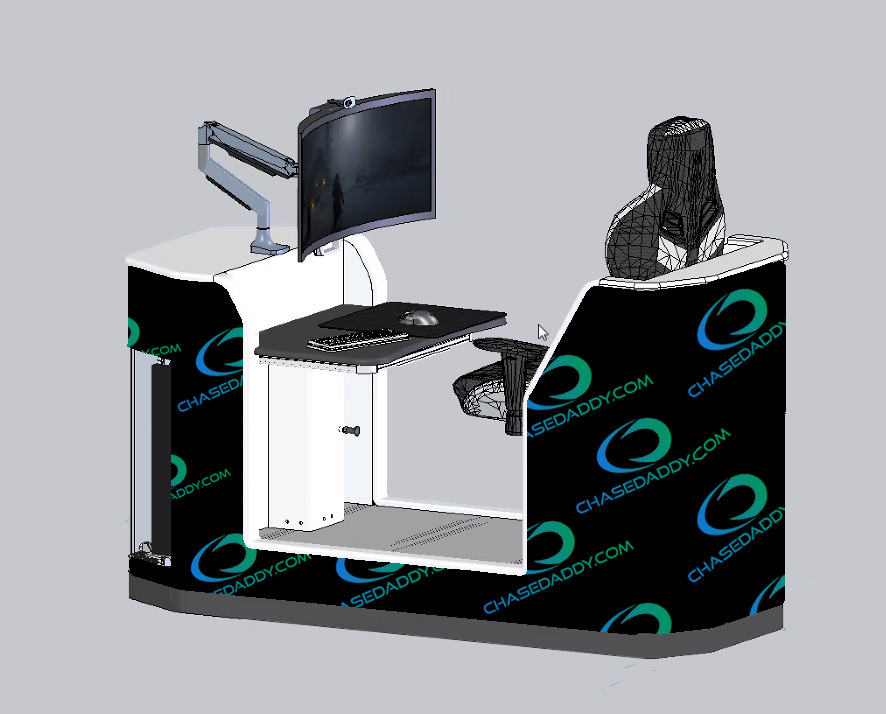
The dealerships also provide vehicles needing repairs to automotive technician programs, supporting vocational education while creating additional community connections. Students gain hands-on experience while dealerships build relationships with future automotive professionals.
Workforce Development Opportunities
Driver education sponsorships create talent pipeline opportunities for dealerships seeking qualified employees. Students participating in these programs often express interest in automotive careers, providing dealerships with early access to potential service technicians, sales representatives, and other team members.
Schools can incorporate information about automotive career paths into driver education curricula, introducing students to opportunities in dealership service departments, parts departments, and sales teams. This exposure helps students understand diverse career options while giving dealerships opportunities to identify and recruit talent.
The approach also supports community economic development by connecting local students with local employment opportunities. Students who find career paths through dealership-sponsored programs often become long-term community members and customers.
Measurable Marketing Results
Driver simulator sponsorships provide measurable marketing metrics that demonstrate return on investment. Dealerships can track program participation rates, family engagement levels, and subsequent customer interactions to quantify sponsorship effectiveness.
Schools typically provide detailed reporting on student participation, safety improvement metrics, and community engagement outcomes. This data helps dealerships understand program impact and optimize future sponsorship investments.
The programs also generate content for dealership marketing efforts, including success stories, safety statistics, and community impact testimonials that enhance overall marketing strategies.
Implementation Steps for Dealership Partners
Getting started with driver simulator sponsorships requires straightforward planning and community outreach. Dealerships should first identify local high schools with existing or planned driver education programs, then schedule meetings with school administrators to discuss partnership opportunities.
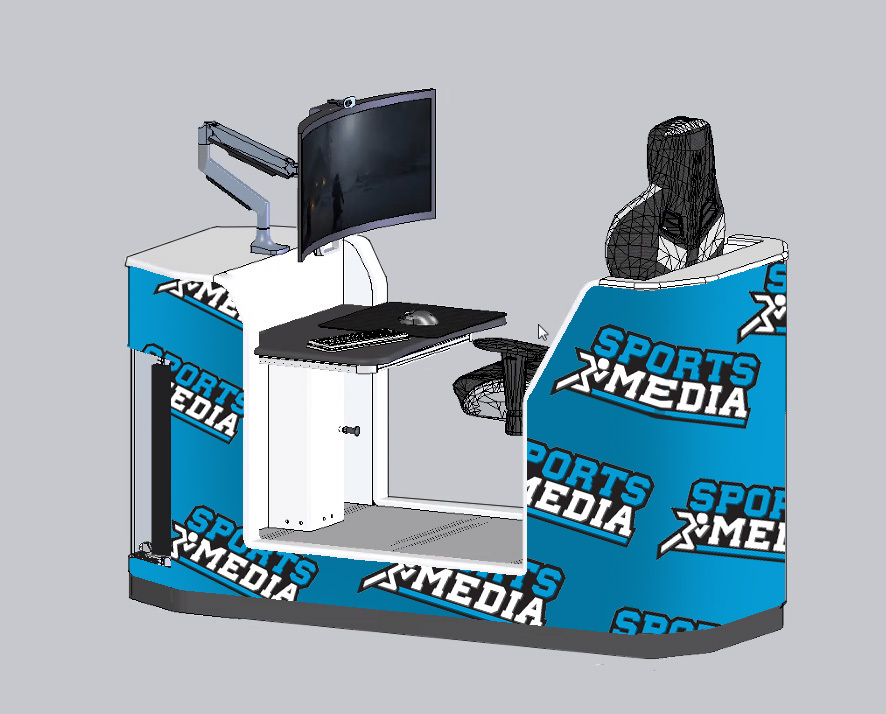
Initial conversations should focus on school needs, available sponsorship opportunities, and desired outcomes for both parties. Schools appreciate partners who understand their educational goals and community service missions.
Successful partnerships often begin with modest commitments that grow over time. Dealerships might start by providing guest speakers for career education, then expand to vehicle donations, simulator sponsorships, or comprehensive driver education support programs.
Many dealerships find success by partnering with organizations like Drive Fear Free to develop structured sponsorship approaches that maximize community impact while achieving marketing objectives. Professional guidance helps ensure partnerships deliver expected results for all participants.
Creating Lasting Community Connections
High school driver simulator sponsorships represent strategic investments in community relationships that extend far beyond traditional marketing approaches. These partnerships demonstrate dealership commitment to public safety, education, and community development.
The programs create multiple touchpoints with local families, from initial program enrollment through graduation and beyond. Students, parents, and community members develop positive associations with sponsoring dealerships that influence purchasing decisions for years to come.
Ready to explore driver simulator sponsorship opportunities in your community? Contact our team at Drive Fear Free to learn how we can help you develop effective high school partnerships that drive real results. Visit drivefearfree.com or call us today to get started with your community engagement strategy!