

Scheduled publication: August 18, 2026, at 5:00 PM MT
Hello world! Today’s dealership growth plan is simple: respond faster, use service visits to start useful sales conversations, and make driver safety part of your customer experience.
These steps apply to automotive dealerships, as well as boat and RV dealerships that manage leads, service customers, and long buying cycles.
1. Dealership Marketing Tip: Win the First Response
A new lead is most valuable when the customer is actively shopping. If your dealership waits several hours to respond, the customer may already be speaking with another store.
Your first message does not need to be complicated. It needs to arrive quickly and provide one clear next step.
Set up a faster response process
-
Create an instant confirmation message.
Use your CRM to send an automatic text or email as soon as a customer submits a form, starts a chat, or requests vehicle information. -
Keep the message short.
Try:“Thanks for contacting [Dealership Name]. We received your request and will follow up shortly. Are you looking to visit today or tomorrow?”
-
Assign the lead to one employee.
The CRM should identify the salesperson responsible for the follow-up. Avoid sending the same lead to several people without clear ownership. -
Set a human follow-up task.
The automatic message confirms receipt. A salesperson should still call or text the customer as soon as possible. -
Ask one useful question.
Focus on the customer’s timeline, preferred vehicle, trade-in, or payment range. Do not send a long list of questions in the first message.
The goal is not to complete the entire sale in the first contact. The goal is to keep the conversation moving.
For additional dealership marketing ideas, review Drive Fear Free’s dealer marketing programs and digital out-of-home advertising guidance.
Use Community Marketing to Create Earlier Connections
Dealerships can build awareness before a customer is ready to buy. A high school driver education or esports sponsorship can place your name in front of students, parents, teachers, and local community members.
A small footprint simulator can support a school program without requiring a large event space. It can also give your dealership a natural reason to share safety and education content.
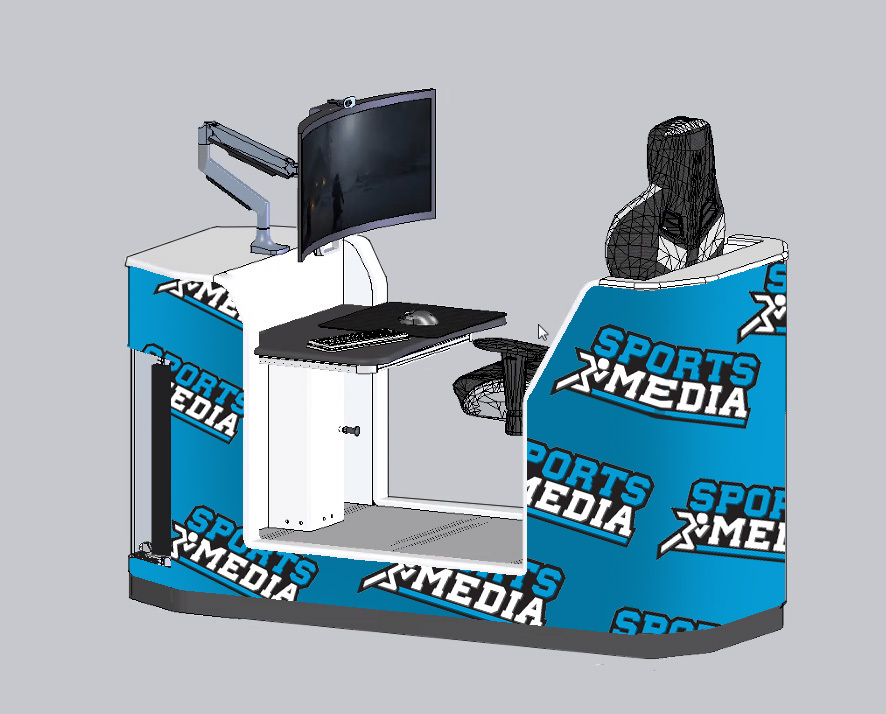
A practical campaign can include:
- A dealership-branded simulator at a local high school
- A driver safety checklist for parents and students
- Social media posts featuring the school partnership
- A QR code that leads to a safe driving resource or dealership landing page
- CRM follow-up for families who request more information
- Digital billboard messages connected to the community program
The message should stay useful. Lead with education and community support. Then make it easy for interested families to connect with your dealership.
2. Dealership Growth Tip: Turn Service Visits Into Sales Conversations
Every service visit gives your dealership another opportunity to understand the customer’s needs. This does not mean every service customer should receive a sales pitch.
It means your team should know when a sales conversation may be helpful.
A customer with an older vehicle, repeated repairs, changing family needs, or a growing repair bill may benefit from learning about current options. The conversation should begin with information, not pressure.
Add a service-to-sales workflow
-
Review the customer record before the appointment.
Check the vehicle year, mileage, service history, lease status, and previous purchase information. -
Flag useful opportunities in the CRM.
Create simple tags such as “high mileage,” “lease ending,” “repeat repair,” or “requested trade value.” -
Ask a service-focused question.
Advisors can say:“How has the vehicle been working for you since your last visit?”
-
Listen for a reason to discuss options.
If the customer mentions reliability concerns, increased repair costs, or a need for more space, the advisor can offer a vehicle review or trade evaluation. -
Offer a low-pressure next step.
Examples include a complimentary appraisal, a payment comparison, or a short test drive while the customer’s vehicle is being serviced. -
Create a follow-up task.
If the customer is not ready, schedule a future check-in based on mileage, lease timing, or the next expected service interval.
The CRM should make this process consistent. It can send reminders, record the conversation, and help the sales and service teams work from the same customer information.
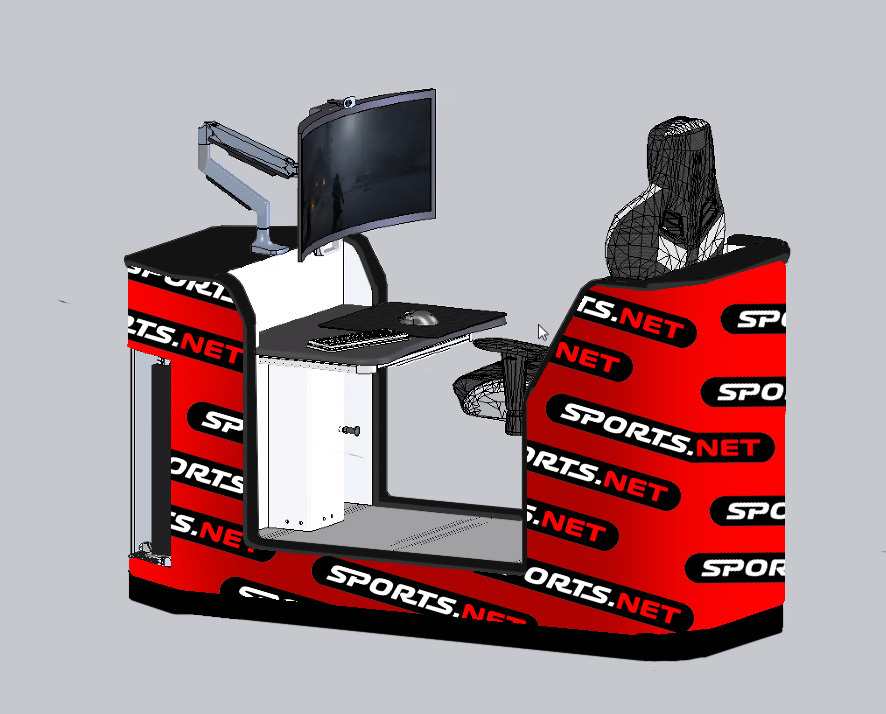
This same approach can support community events. A dealership that sponsors a simulator or driver education program can use the CRM to track event participation, parent questions, service requests, and future vehicle interest.
Drive Fear Free provides CRM software and dealership marketing services designed to help organize customer communication, follow-up, email marketing, and social media activity.
A Simple CRM Automation Sequence
Here is a basic workflow your dealership can implement this week:
New lead
- Send an immediate confirmation message.
- Assign the lead to a salesperson.
- Create a five-minute follow-up task.
- Ask about vehicle type and buying timeline.
- Send a reminder if there is no reply.
Service completion
- Send a thank-you message after the repair order closes.
- Ask whether the customer has any remaining concerns.
- Request a review when appropriate.
- Check for lease, mileage, or repair-related opportunities.
- Schedule a future maintenance or ownership check-in.
No response
- Send a helpful follow-up instead of repeating the same sales message.
- Share a vehicle comparison, trade value option, service reminder, or appointment link.
- Stop or reduce messages when the customer asks not to be contacted.
Automation should support your team. It should not replace clear customer service.
3. Safety-Focused Driver Education Tip: Use a Mirror, Seat, and Pre-Trip Check
Driver education can be a simple and useful part of your dealership’s customer experience. Before a customer leaves after service, a team member can offer a quick reminder about vehicle setup and pre-trip preparation.
This is especially useful for new drivers, families preparing for a road trip, and customers who recently purchased a different type of vehicle.

Teach the one-minute safety check
Ask drivers to complete these steps before starting a trip:
-
Adjust the seat.
The driver should be able to reach the pedals comfortably while keeping a safe distance from the steering wheel. -
Set the steering wheel.
Position it so the driver has a clear view of the instrument panel and can maintain control. -
Check the mirrors.
Adjust the rearview mirror to show the rear window. Set the side mirrors to reduce blind spots. -
Secure loose items.
Bags, tools, sports equipment, and other objects should not move around the cabin or block visibility. -
Check tires and lights.
Look for visibly low tires and confirm that headlights, brake lights, and turn signals are working. -
Review the route.
Set navigation before driving. Drivers should avoid using a phone while the vehicle is moving. -
Prepare for the conditions.
Check weather, traffic, fuel or charging needs, and the location of planned stops.
A printed checklist, text message, or QR-linked safety guide can help customers remember these steps. The information should support, not replace, licensed driver training and the vehicle owner’s manual.
For more information about simulator-based education and training, visit Drive Fear Free’s advanced driver training page.
Connect Safety Education to Local Marketing
Safety content can support dealership growth when it is shared consistently and responsibly.
Consider creating a monthly safety message for:
- Teen drivers and their parents
- Customers preparing for summer or winter travel
- RV owners beginning a long trip
- Boat owners towing equipment
- Commercial and fleet customers
- Customers visiting your service department
A short video, email, social post, or digital out-of-home message can cover one topic at a time. Keep the language plain. Include a QR code that leads to a safety resource, event registration page, or dealership contact form.
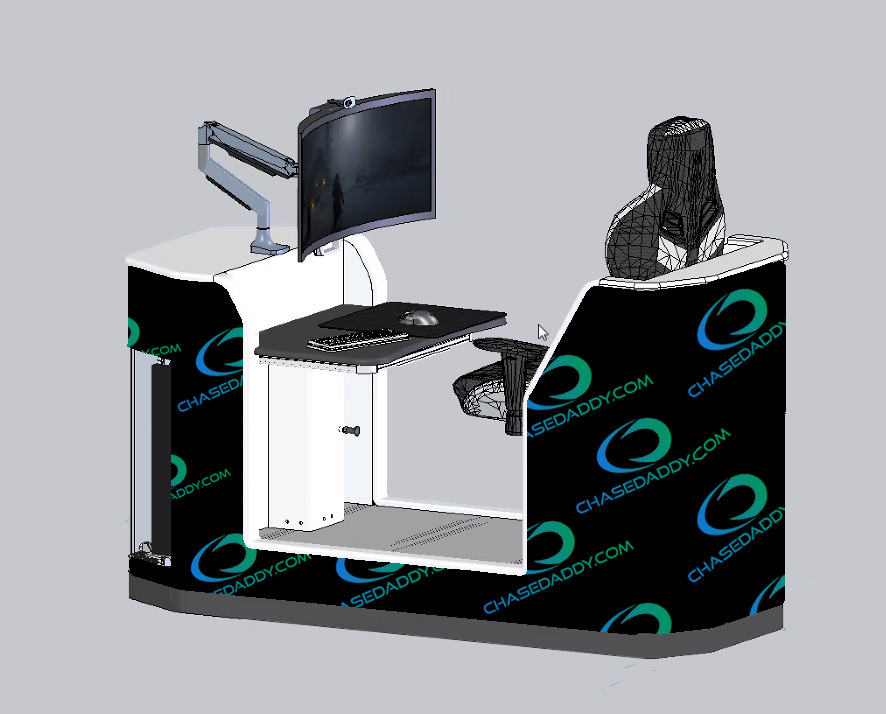
A school simulator sponsorship can give your dealership another platform for these messages. Students can learn in a controlled environment, while your dealership supports a local education program and builds a longer-term connection with families.
Today’s Dealership Action List
Complete these three tasks before the end of the week:
Marketing
- Write one automatic first-response text.
- Set a clear lead ownership rule.
- Measure how quickly a salesperson follows the automatic reply.
Growth
- Review the last 30 days of service customers.
- Identify customers with high mileage, repeated repairs, or upcoming lease changes.
- Create a helpful trade or vehicle review offer.
Safety education
- Print or publish a one-minute mirror, seat, and pre-trip checklist.
- Share it with service customers and new-vehicle buyers.
- Ask your team to review the checklist during deliveries or service handoffs.
Start with one workflow. Test it for two weeks. Then review response times, appointments, service follow-ups, and customer feedback.
Visit Drive Fear Free to learn how dealership CRM integration, social media management, high school simulator sponsorships, safety campaigns, and digital out-of-home advertising can work together.
Author: Victoria Teresa Alescio
#DealershipMarketing #AutomotiveMarketing #CRMAutomation #DealerGrowth #DriverEducation #DriveFearFree