
By Victoria Teresa Alescio
Hello world! Welcome to today’s dealership growth digest.
This newsletter is built for automotive dealership owners, general managers, marketing teams, and industry partners. It covers three practical areas:
- Marketing that brings in local shoppers
- Lead generation and CRM automation
- Driver education and community engagement
You do not need to change everything at once. Start with one action from each section this week. Then review the results with your team.
1. Marketing Hack: Connect Every Ad to a Next Step
Many dealership ads create awareness but do not make the next action clear. A shopper may see a vehicle, sale, or community sponsorship and still not know what to do.
Every ad should guide the customer to one simple next step.
Examples include:
- View today’s inventory
- Schedule a test drive
- Request a trade-in estimate
- Call the dealership
- Get service information
- Learn about a local sponsorship
For digital ads, link directly to the relevant vehicle detail page. Do not send every shopper to the homepage. If the ad promotes a new SUV, the link should show that SUV or a matching inventory group.
For digital out-of-home advertising, use a short URL or QR code. Make sure the destination page works well on a phone.
Action you can take today
Choose one current promotion. Review the ad, landing page, phone number, and form.
Ask:
- Is the offer easy to understand?
- Can a shopper contact the dealership in one step?
- Does the landing page match the ad?
- Can the lead source be tracked in the CRM?
Drive Fear Free helps dealerships combine social media, advertising, and digital out-of-home marketing into a connected campaign.
2. Lead Generation: Use Inventory-Based Content
Customers want to see real vehicles. They also want current information.
A simple inventory-based content plan can support both paid and organic marketing. Each week, select a small group of vehicles and create content around them.
You can feature:
- New arrivals
- Used vehicles under a specific price
- Recently reduced vehicles
- Certified pre-owned inventory
- Trucks and SUVs
- EVs and hybrids
- Service specials connected to ownership
Use short walkaround videos for Facebook, Instagram, TikTok, and YouTube Shorts. Keep each video between 30 and 90 seconds. Show the vehicle clearly. Include the year, make, model, mileage, price, and one useful feature.
Avoid making the customer search for basic details. Put the vehicle link in the post and include a direct call or text option.
Action you can take today
Create one “three vehicles this week” post.
For each vehicle, include:
- One clear exterior photo
- One interior photo
- A short video
- Price or payment information, when appropriate
- A link to the vehicle detail page
- A direct contact option
Then label the lead source in your CRM. This will help your team see which content creates inquiries and appointments.
3. CRM Automation: Start With the First Response
A lead should receive a clear response as soon as possible. An automated first response does not replace a salesperson. It gives the customer confirmation while the sales team prepares a personal follow-up.
A basic first-response workflow can include:
- A confirmation email or text
- The name of the assigned salesperson
- The vehicle or service requested
- A link to schedule an appointment
- A clear phone number
- A notice that someone will follow up
Keep the message short. Do not send a long sales pitch.
Example:
Thanks for contacting [Dealership Name] about the [Year Make Model]. Your request has been received. A member of our team will follow up shortly. You can call or text us at [phone number], or schedule a visit here: [link].
After the first response, create a short follow-up sequence. The sequence might include:
- Same-day personal contact
- Next-day reminder
- Three-day inventory or availability update
- Seven-day helpful message
- Later follow-up based on the customer’s interest
CRM automation can also support service reminders, review requests, lease-end outreach, referrals, and trade-in opportunities.
For more information, review CRM integration and social media management for dealerships.
Action you can take today
Audit one lead form on your website.
Submit a test inquiry and record:
- How long it takes to receive a response
- Whether the message includes the requested vehicle
- Whether a salesperson is assigned
- Whether the lead appears correctly in the CRM
- Whether the customer receives a clear next step
Fix the first issue you find. Then test the form again.
4. Dealership Growth: Build a Local Partnership Funnel
Dealership growth is not limited to monthly sales campaigns. Local partnerships can support visibility, trust, hiring, and long-term customer relationships.
Drive Fear Free helps connect dealerships with high schools through esports sponsorships and small-footprint simulator programs. These programs can support driver education, career exploration, and community engagement.
A sponsorship should have a clear plan. Before approaching a school, decide what the dealership wants to support and how the program will be measured.
Possible goals include:
- Supporting driver education
- Introducing students to automotive careers
- Building relationships with parents and families
- Increasing local brand awareness
- Supporting esports or technology programs
- Creating internship or job-shadow opportunities

Action you can take today
Make a list of three high schools, career and technical education programs, or community organizations in your market.
Contact the appropriate person and ask:
- Does the school offer driver education?
- Does it have an esports or technology program?
- Are students interested in automotive careers?
- What equipment or support would be useful?
- How does the school measure sponsorship results?
Keep the first conversation simple. The goal is to learn what the school needs before presenting a proposal.
5. Driver Education: Make Safety Practical
Driver education works best when students can connect lessons to real decisions. A dealership can support this work without turning the program into a sales presentation.
Useful education topics include:
- Distracted driving
- Hazard recognition
- Defensive driving
- Weather conditions
- Safe following distance
- Vehicle maintenance basics
- Driver-assistance features
- Emergency response
- EV and hybrid ownership
- The responsibilities of vehicle ownership
Small-footprint simulators can provide a controlled environment for practice. They can be used in schools, dealerships, training centers, municipalities, and community events.
A simulator cannot replace supervised road experience. It can support classroom instruction by helping students understand how conditions and decisions affect driving.
Action you can take today
Choose one safety topic and create a short educational session.
For example, a “Preparing for Winter Driving” session could cover:
- Tire condition and pressure
- Visibility and windshield care
- Battery checks
- Safe speed
- Increased following distance
- What to do during a skid
Give students a one-page checklist. Keep the information clear and practical.
6. Three Simulator Options for Community Programs
Drive Fear Free works with compact simulator formats that can fit into schools, dealerships, events, and other community locations.
Sports X Media simulator pod
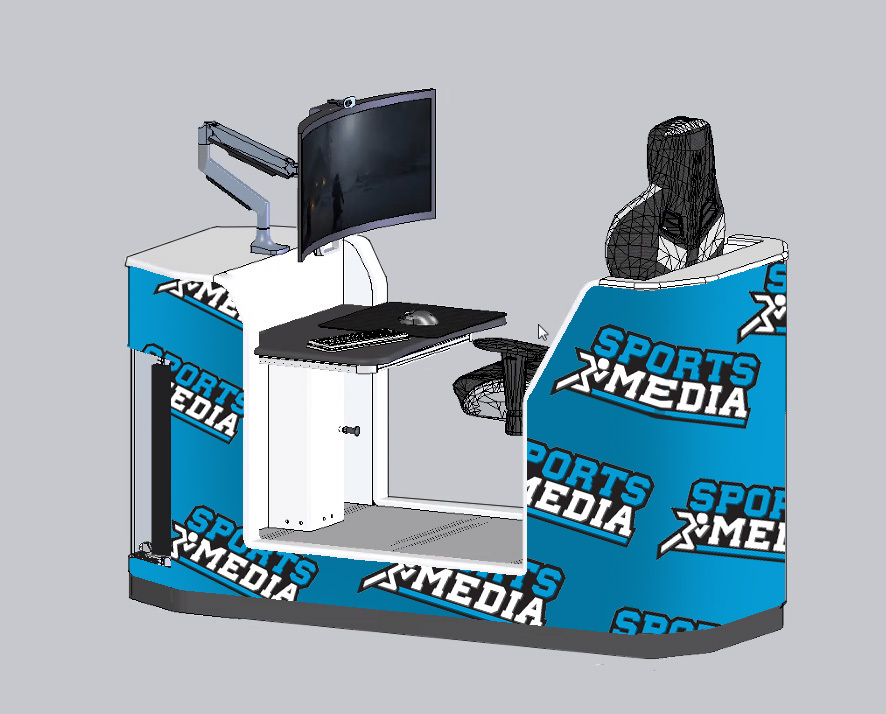
The Sports X Media pod is designed for interactive school and event use. It includes a racing seat, steering controls, display, and compact workstation. A dealership can support the pod as part of an esports, driver education, or career exploration program.
Compact simulator pod
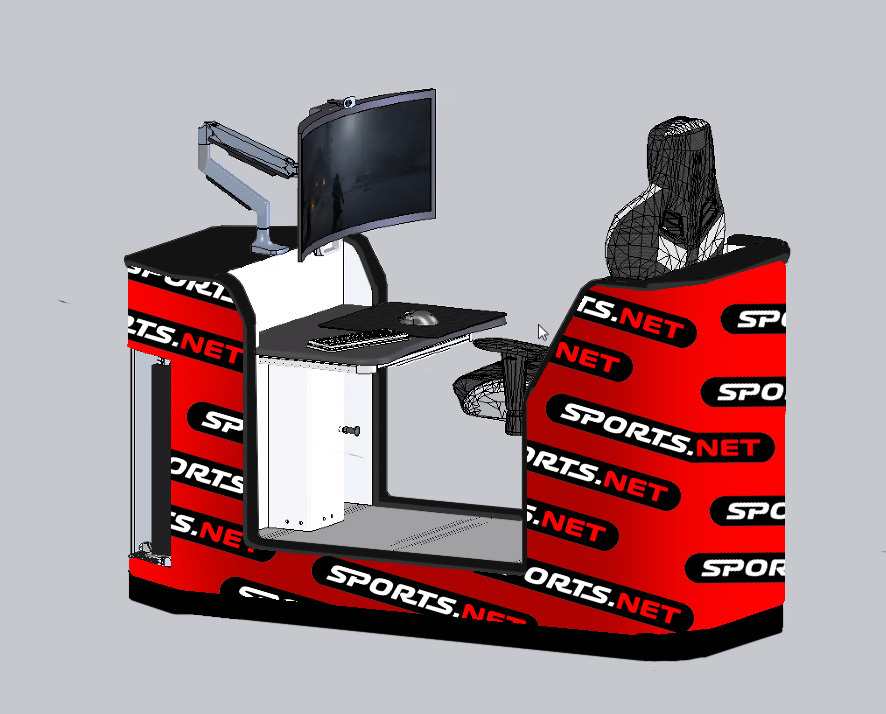
A compact pod can be placed where space is limited. It can support school programs, dealership events, promotional activities, and introductory simulator experiences.
CHASEDADDY.COM simulator pod
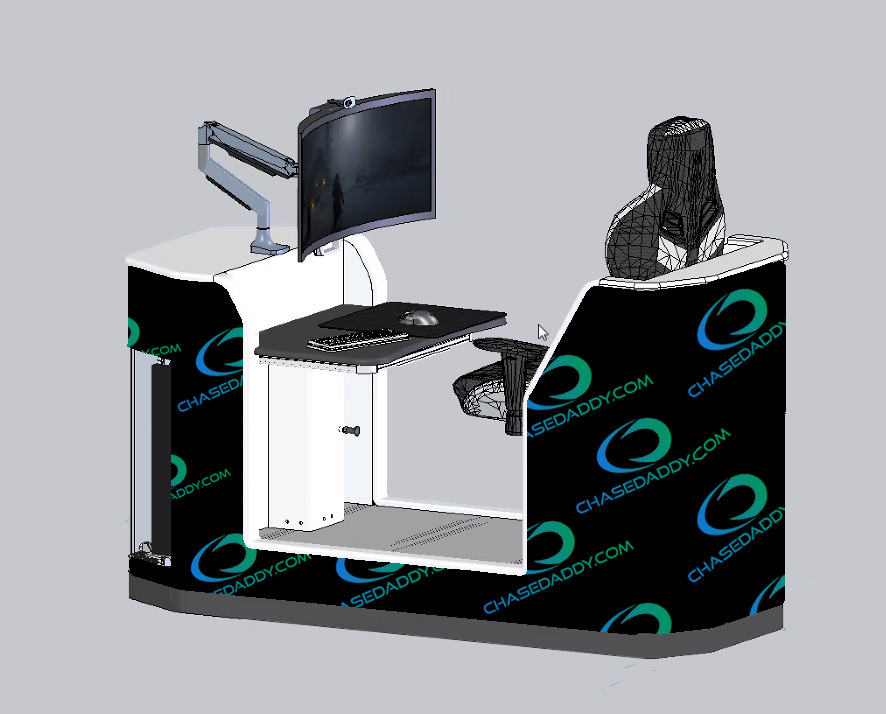
The CHASEDADDY.COM pod provides another branded format for events and sponsorships. Its small footprint makes it suitable for locations that need an engaging technology experience without a large installation.
Dealerships can use these programs to connect marketing with a useful community purpose. The key is to define the educational or engagement goal before choosing the equipment.
7. A Simple Weekly Measurement Plan
Growth efforts need basic tracking. Your team does not need a complicated report.
Review these numbers each week:
- Total leads
- Leads by source
- Response time
- Appointments set
- Appointments completed
- Sold customers
- Service appointments
- Social media inquiries
- QR code or short-link visits
- Event or sponsorship participation
For school partnerships, also track:
- Number of students reached
- Simulator usage
- Safety lessons completed
- Community event attendance
- Career conversations
- Internship or job-shadow interest
Use the information to improve the next campaign. If a channel creates leads but no appointments, review the response process. If a campaign receives little attention, test a different message or audience.
Start With One Small Change
Hello world! You do not need a large campaign to begin.
This week, take three steps:
- Connect one ad to a specific inventory or appointment page.
- Test one CRM lead-response workflow.
- Contact one local school about driver education or career programming.
For help with dealership marketing, social media management, CRM integration, and community programs, visit Drive Fear Free. You can also review our dealer marketing programs, driver education resources, and about page.
#DealershipMarketing #LeadGeneration #CRMAutomation #DriverEducation #AutomotiveMarketing #DigitalOutOfHome