
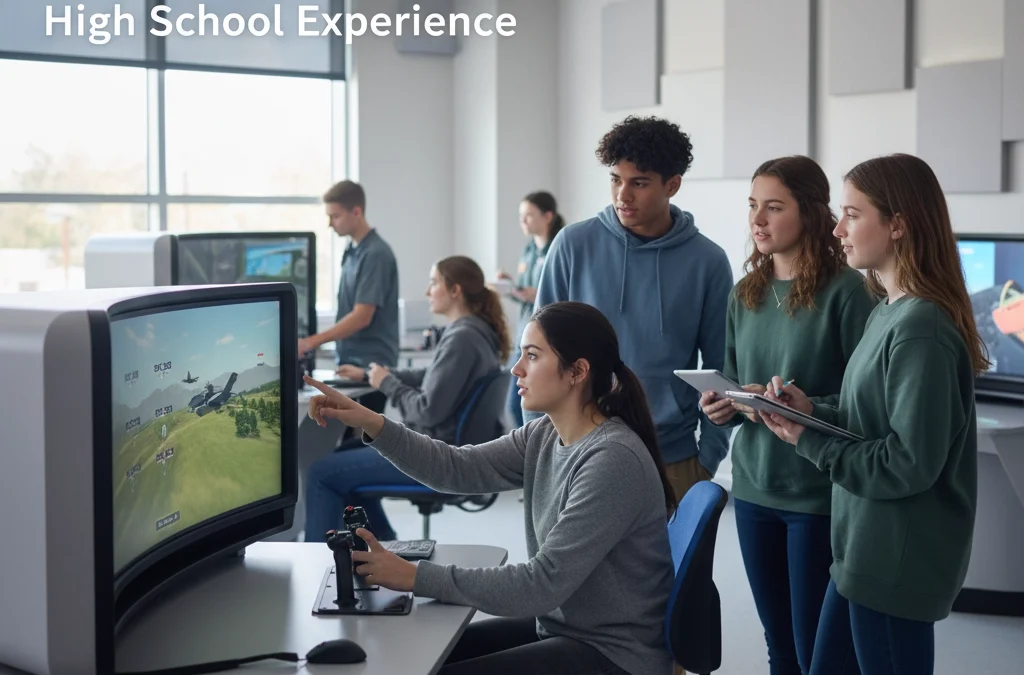
Students today learn differently than any generation before them. They've grown up with smartphones, video games, and interactive technology. So when traditional classrooms stick to lectures and textbooks, many students tune out. That's where driving simulators and other simulation technology come in to completely change the game.
From a student's point of view, simulators transform boring classroom time into engaging, hands-on experiences. Instead of just reading about concepts, students get to live them. They make mistakes in a safe environment, learn from those mistakes, and build real confidence before facing the real world.
How Simulators Transform Student Learning
The biggest change students notice is how much more engaged they become. Research shows that students using simulation-based learning achieve significantly better results compared to traditional classroom methods. When you're actively making decisions and solving problems in real-time, your brain stays focused in ways that passive listening just can't match.
Take driver's education as a perfect example. Instead of memorizing traffic rules from a manual, students experience what happens when they don't check their blind spot or when they brake too hard on wet pavement. The simulator provides immediate feedback, showing consequences without any real danger.
Students report feeling more confident and prepared after simulator training. They've already experienced challenging scenarios multiple times, so when they encounter similar situations in real life, they know how to respond. This builds self-efficacy – the belief that they can handle whatever comes their way.
Making Learning Stick Through Active Engagement
One of the most powerful changes simulators bring is shifting students from passive observers to active participants. Traditional lectures often leave students zoning out or checking their phones. But with simulators, students must stay engaged to succeed.
The interactive nature requires constant decision-making. Students analyze situations, weigh options, and see immediate results from their choices. This active engagement leads to better retention and deeper understanding of the material. When students are involved in their learning rather than just absorbing information, they remember it longer and apply it better.
Digital educational games and simulations have been proven to positively influence student motivation for learning. Students actually want to participate because the experience feels relevant and exciting rather than like another boring assignment.
Building Critical Skills for the Future
Beyond just learning specific content, simulators help students develop essential life skills. The problem-solving environment enhances critical thinking abilities that students will use in every area of life. They learn to analyze complex situations quickly and make informed decisions under pressure.
Collaboration skills also improve when students work together on simulation challenges. They learn to communicate effectively, share ideas, and support teammates – all valuable workplace skills. These competencies prepare students for success in various professional fields, not just the specific subject they're studying.
Benefits for Teachers and Instructors
From an instructor's perspective, simulators solve many common classroom challenges. Teachers can create controlled environments to demonstrate concepts that would be impossible or dangerous to show in real life. They can replay scenarios, pause for discussion, and let students experiment safely.
Simulators also provide detailed data on student performance. Instructors can track progress, identify areas where students struggle, and provide targeted support. This data-driven approach helps teachers personalize learning and ensure no student falls behind.
The technology also helps teachers reach different learning styles. Some students learn better through visual experiences, others through hands-on practice. Simulators accommodate multiple learning preferences in ways traditional teaching methods cannot.
School-Wide Advantages
Schools that implement simulator programs see benefits extend far beyond individual classrooms. Student engagement increases across the board when learning becomes more interactive and relevant. This improved engagement often leads to better attendance, fewer disciplinary issues, and higher overall satisfaction with school.
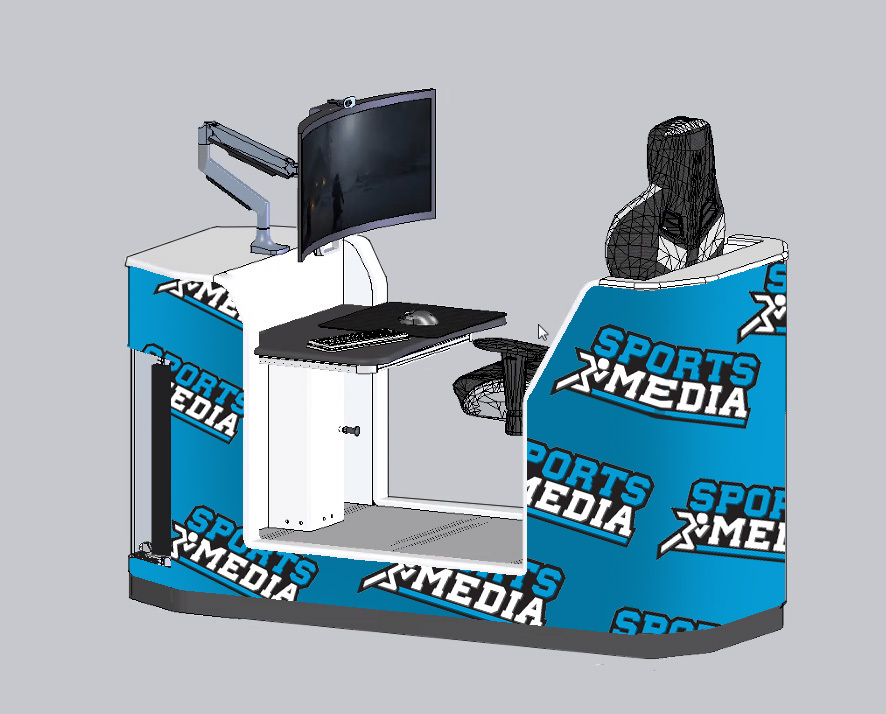
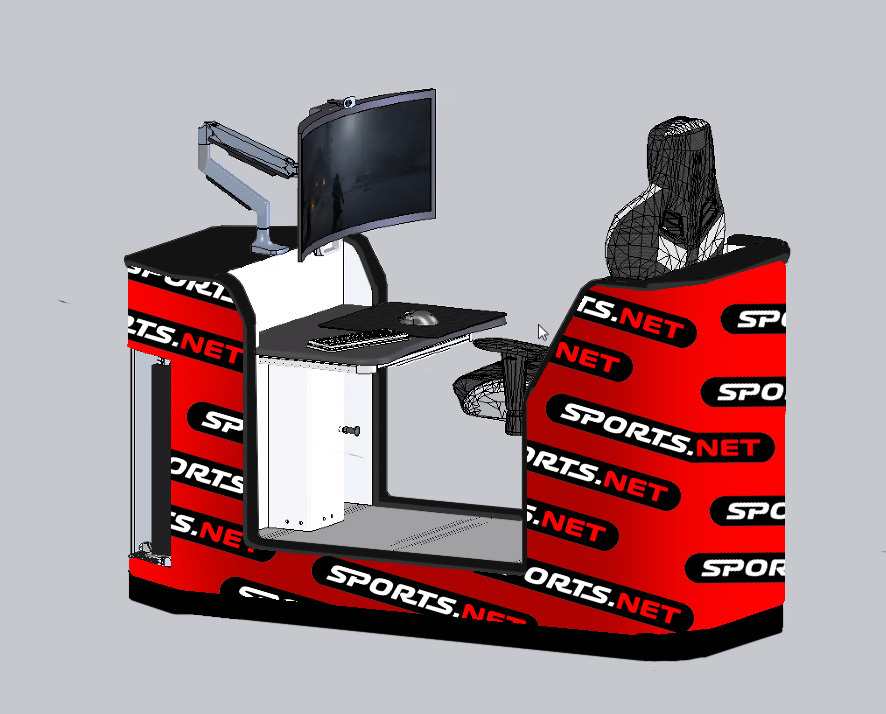
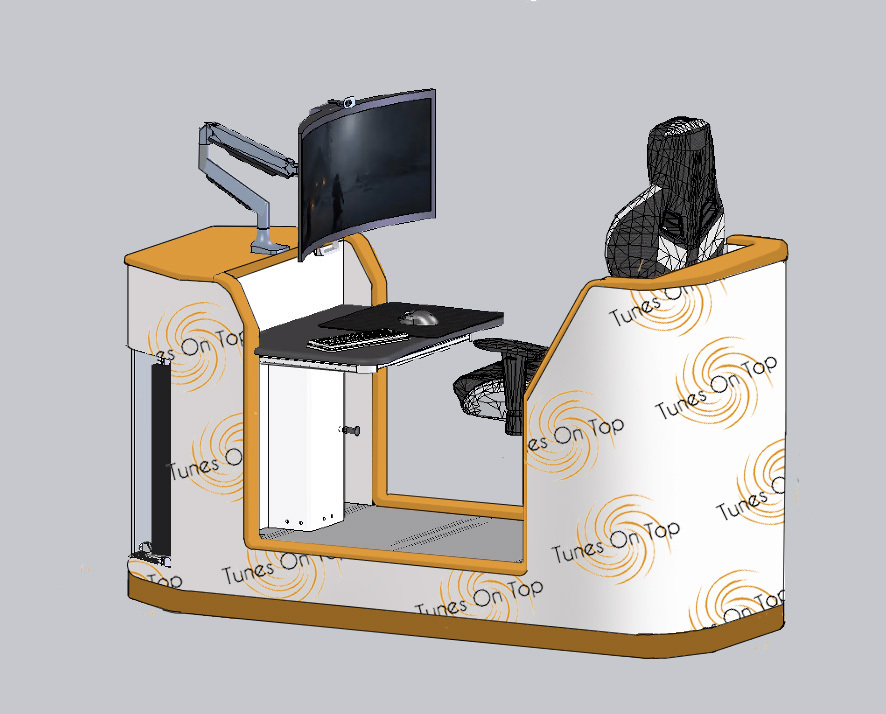
Simulators also help schools attract and retain students. Parents and students increasingly expect technology integration in education. Schools with modern simulator programs stand out from those still relying solely on traditional methods.
The programs can also generate positive community attention and partnerships. Local businesses, especially automotive dealerships, often sponsor simulator programs, creating valuable connections and funding opportunities for schools.
Real-World Applications That Matter
Driver's education simulators represent one of the most impactful applications for high school students. These systems provide true-to-life experiences while removing all dangers and risks. Students can practice handling emergency situations, poor weather conditions, and aggressive drivers without any real consequences.
The "what if" scenarios are particularly valuable. Students can experience situations like tire blowouts, sudden stops, or visibility issues multiple times until they develop confident, automatic responses. This preparation makes them much safer drivers when they get behind the wheel of an actual car.
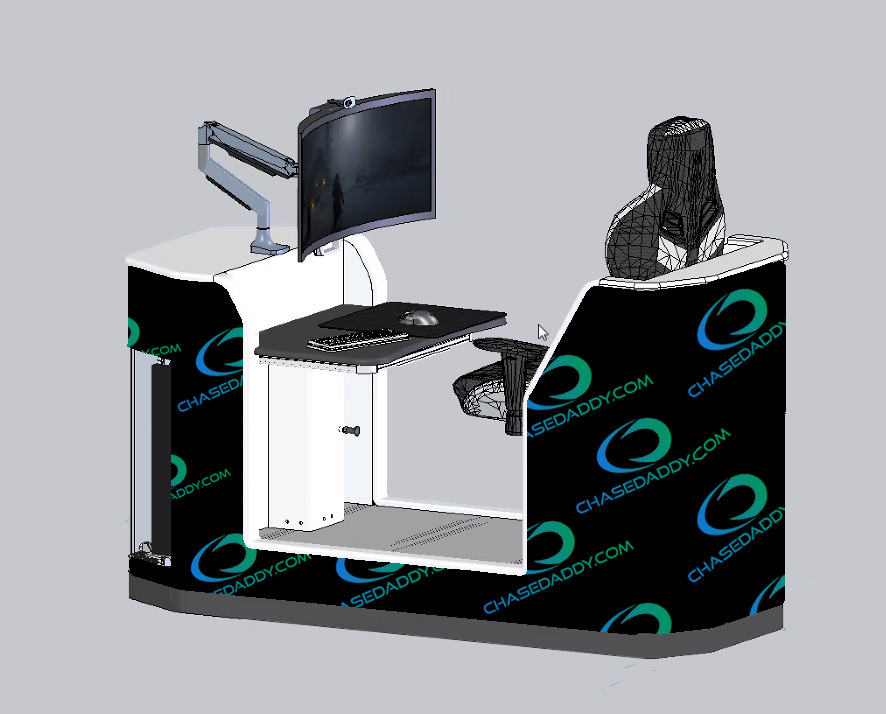
Simulators also make driver's education accessible to all students. Those who might not have access to vehicles at home can still get extensive practice. Students with different physical abilities can use adaptive controls to learn driving skills they might not otherwise develop.
Career Development and Future Planning
Simulation experiences often spark interest in related career fields. Students who enjoy working with driving simulators might discover interests in automotive technology, transportation planning, or even video game design. These early exposures can influence academic and career trajectories in positive ways.
The technology also helps students envision themselves in various professional roles. By experiencing realistic workplace scenarios through simulation, students can explore potential careers before committing to specific educational paths. This early exploration leads to better career decision-making and higher job satisfaction later in life.
Making Education More Inclusive
Simulators democratize access to experiences that would otherwise be impossible for many students. Students who cannot physically attend school due to health conditions can participate fully through advanced simulation technology. This ensures all students receive genuine educational experiences regardless of their circumstances.
The technology also allows students to enact roles and learn through experiences they might not have access to due to economic or social barriers. A student from a family that cannot afford driver's training can still receive comprehensive instruction through simulator programs.
Preparing Students for Tomorrow's World
As technology continues advancing, students need to be comfortable working with sophisticated systems. Exposure to simulators helps develop technological literacy that will serve them throughout their lives. They learn to adapt to new interfaces, troubleshoot problems, and leverage technology for learning and problem-solving.
The confidence students build through successful simulation experiences transfers to other areas. When students master complex simulated scenarios, they develop self-efficacy that helps them tackle other challenges with greater confidence.
The Future is Already Here
High schools across the country are discovering that simulator technology isn't just a nice-to-have addition – it's becoming essential for preparing students for modern life. The students who benefit from these programs today will be tomorrow's safer drivers, better problem-solvers, and more confident adults.
For schools considering simulator programs, the benefits clearly outweigh the costs. Students become more engaged, teachers get better tools, and communities gain safer, better-prepared young adults.
Ready to bring cutting-edge simulator technology to your high school? Drive Fear Free makes it easy to set up comprehensive programs that benefit students, teachers, and the entire community. Our turnkey solutions include everything needed to launch successful simulator programs, from equipment setup to instructor training to ongoing support.
Contact Drive Fear Free today to discover how simulator technology can transform your students' educational experience. Visit www.drivefearfree.com or call us to schedule a consultation.
#DriverEducation #HighSchoolTech #StudentEngagement #SimulatorTraining #CarDealerSponsorship #STEMEducation #DriveFearFree #EducationTechnology #SafetyFirst #StudentSuccess