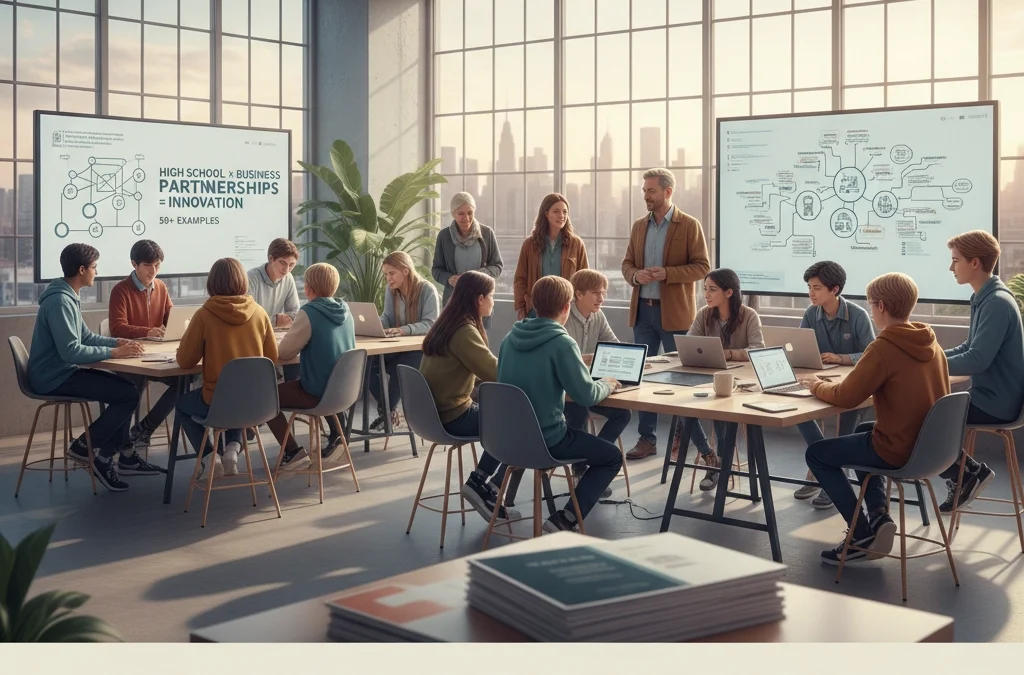
Getting younger customers through your doors feels impossible these days. Gen Z shops differently, thinks differently, and definitely doesn't respond to traditional car ads. But what if the secret isn't chasing them where they hang out online – what if it's meeting them where they're already learning?
High school partnerships are changing everything for smart automotive businesses. From dealerships to manufacturers, parts suppliers to service centers, companies across the industry are discovering that sponsoring educational programs creates genuine connections with tomorrow's customers.
The Esports Pod Revolution
Lincoln High School in Denver transformed their computer lab into an automotive career center through a partnership with three local dealerships. Students now use driving simulators during their automotive technology classes, learning everything from basic vehicle operation to advanced repair diagnostics.
The results speak volumes. Over 60% of students who used the simulators expressed interest in automotive careers. Even better, 40% of graduating seniors visited the sponsoring dealerships within six months of graduation – not just to browse, but as serious customers ready to make their first car purchase.
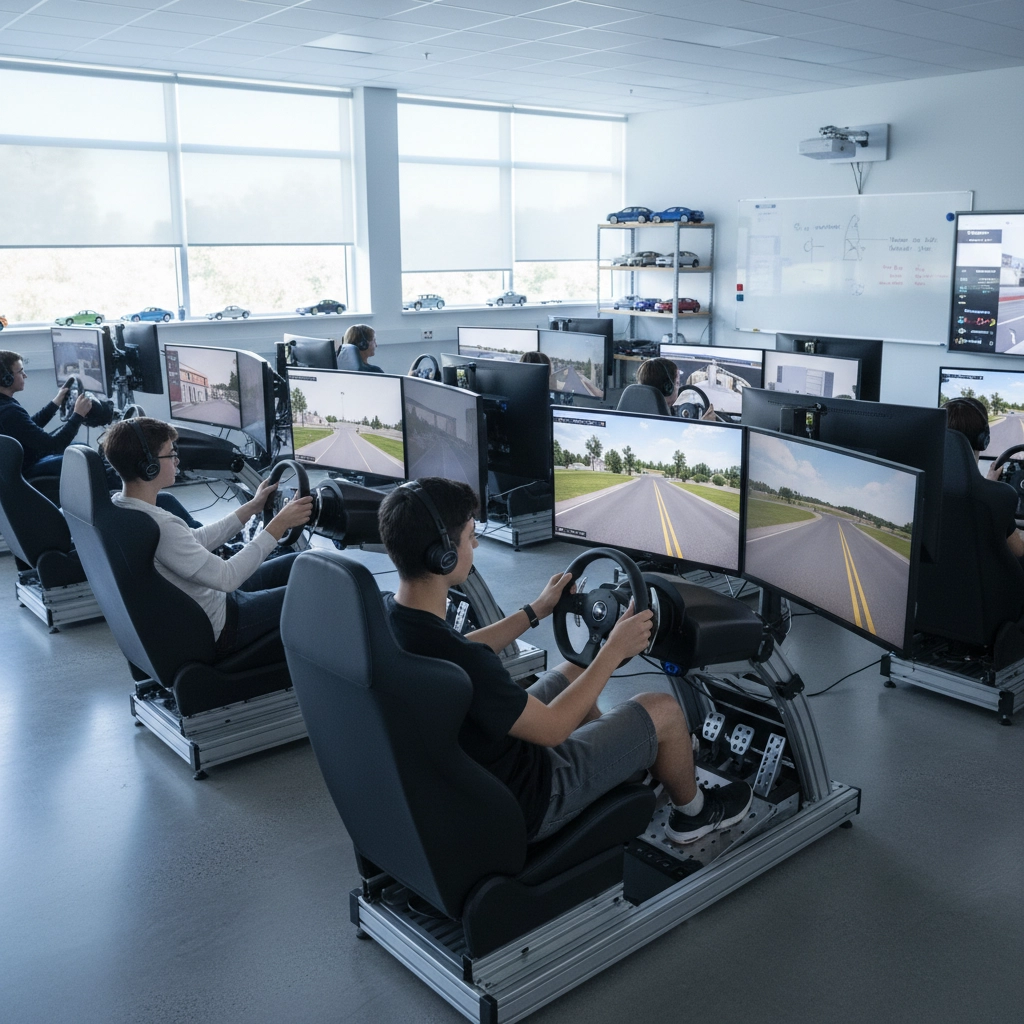
Mountain View Technical High School took it further. Their Esports Pod program, sponsored by a regional parts distributor, combines gaming with real-world automotive skills. Students compete in racing simulators while learning about engine performance, tire dynamics, and vehicle handling. The sponsor reports a 200% increase in young adult customers since launching the partnership two years ago.
Manufacturing Partnerships That Build Loyalty
Ford partnered with 15 high schools across Michigan to create automotive engineering labs. Students design vehicle components using professional software, then see their concepts tested in real manufacturing environments during field trips. The program has generated over 1,000 qualified job applications and created a pipeline of young customers who understand and appreciate Ford's innovation process.
GM's partnership with Oakland Technical High School goes beyond traditional education. Students learn welding, fabrication, and electrical systems through hands-on projects building actual vehicle components. The school's automotive program now has a waiting list, and GM reports that program graduates show 85% higher brand loyalty compared to their peers.
Toyota's approach focuses on sustainability education. Their partnership with 30 West Coast high schools includes hybrid vehicle maintenance training and environmental impact workshops. Students gain technical skills while developing appreciation for Toyota's environmental initiatives – creating informed customers who value the brand's mission.
Service Center Success Stories
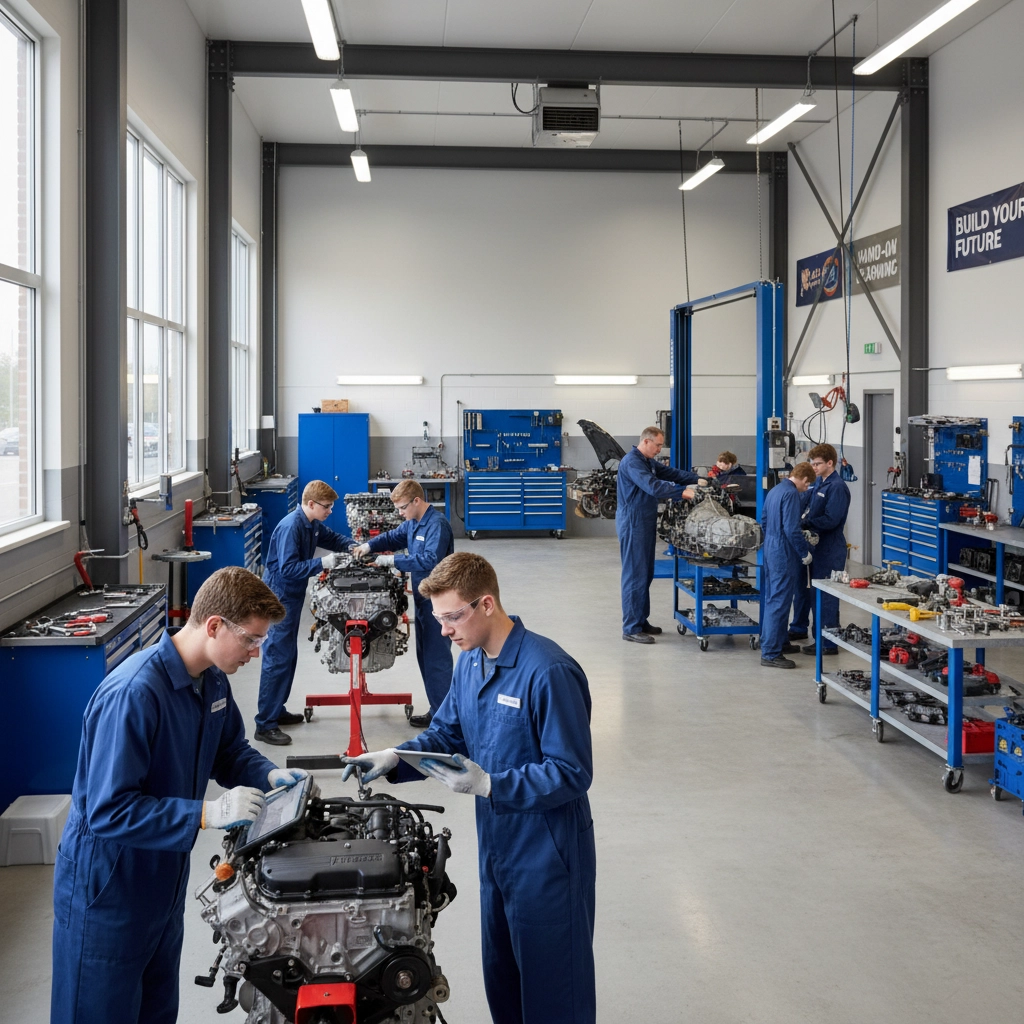
Independent repair shops are winning big through high school partnerships. Mike's Auto in Phoenix sponsors the automotive program at three local schools, providing diagnostic equipment and expert instruction. Students learn real repair skills while Mike's builds relationships with future customers and potential employees.
The program costs Mike's about $15,000 annually but generates over $80,000 in new customer revenue. More importantly, students who complete the program become lifelong advocates, recommending Mike's to family and friends. Word-of-mouth referrals from program graduates account for 30% of new customers.
Quick Lube chains are discovering similar success. Valvoline Instant Oil Change partnered with Jefferson High School to teach students basic vehicle maintenance. The hands-on workshops cover oil changes, filter replacements, and fluid checks. Students receive service discounts and often become regular customers throughout college and beyond.
Parts and Supply Chain Connections
AutoZone's partnership with vocational schools across Texas creates tomorrow's automotive professionals while building brand awareness. Students use AutoZone parts in their repair projects, learning to navigate the company's catalog system and understanding quality differences between brands.
The program generates immediate sales – schools purchase thousands of dollars in parts annually – while creating knowledgeable customers who understand AutoZone's value proposition. Graduates consistently choose AutoZone over competitors because they understand the products and trust the brand.
NAPA's approach emphasizes problem-solving skills. Their high school partnerships include diagnostic challenges where students troubleshoot vehicle issues using NAPA parts and tools. The competitive element keeps students engaged while demonstrating product reliability and performance.
Auction House Innovation
Barrett-Jackson created an automotive history program for Phoenix-area high schools. Students learn about classic cars, market trends, and collector vehicle restoration. The program culminates with student teams attending actual auctions as observers and junior analysts.
The partnership creates future collectors and auction participants while educating young people about automotive heritage. Program graduates show significantly higher engagement with collector car culture and often become Barrett-Jackson customers within five years of graduation.
Copart's partnership with trade schools focuses on salvage vehicle assessment and rebuilding. Students learn to evaluate damaged vehicles, estimate repair costs, and complete restoration projects. The hands-on experience creates knowledgeable customers who understand Copart's business model and value proposition.
Real-World Skills, Real-World Results
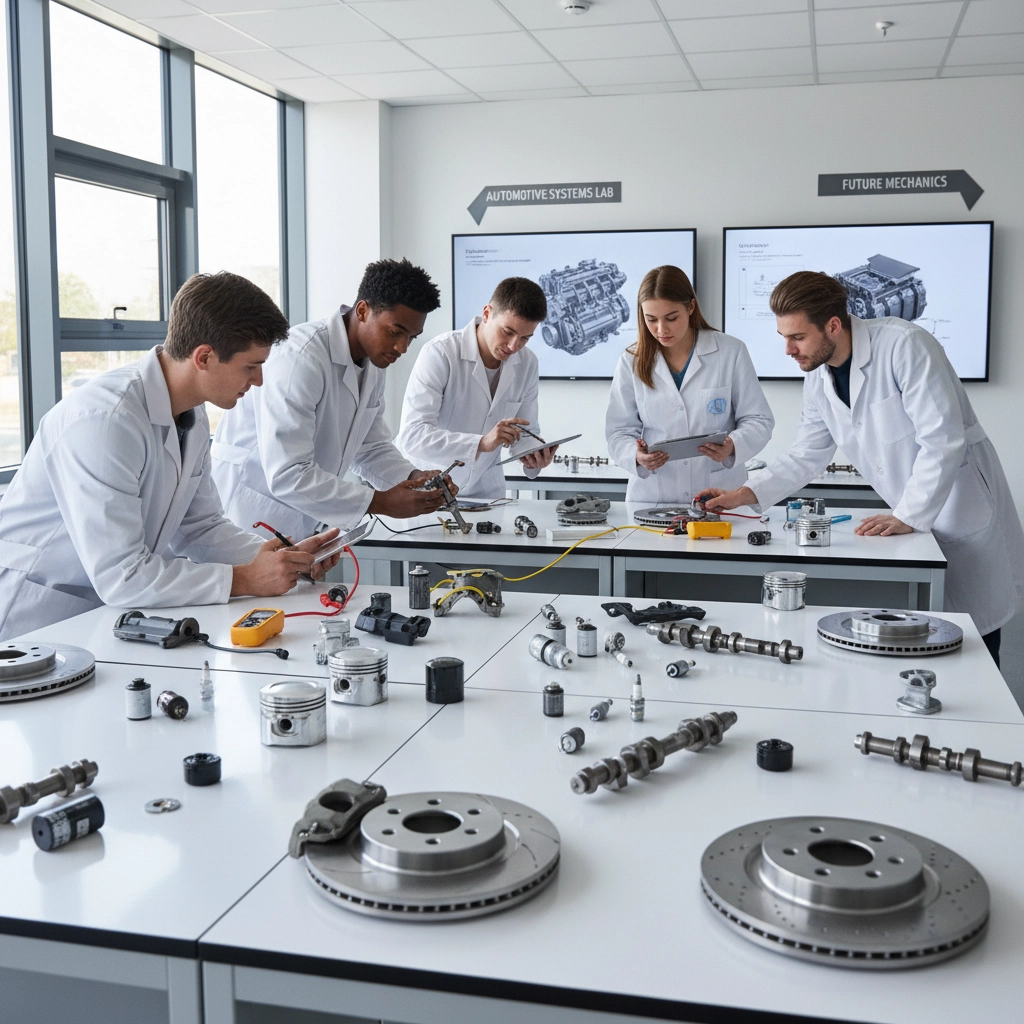
The most successful partnerships combine education with practical experience. Students don't just learn theory – they solve actual problems, work with real customers, and see immediate results from their efforts.
Riverside Community College's partnership with local dealerships includes customer service training alongside technical skills. Students interact with real customers under supervision, learning communication skills while providing valuable service. The program has a 95% job placement rate, and many graduates eventually purchase vehicles from their training partners.
These partnerships work because they create authentic connections. Students experience brands as partners in their education rather than entities trying to sell them something. The trust and familiarity developed during training translates into customer loyalty that lasts decades.
Getting Started With High School Partnerships
Starting your own partnership program doesn't require massive investment. Begin by identifying local schools with automotive or technology programs. Many schools need equipment, expertise, or guest speakers – opportunities that cost little but create significant goodwill.
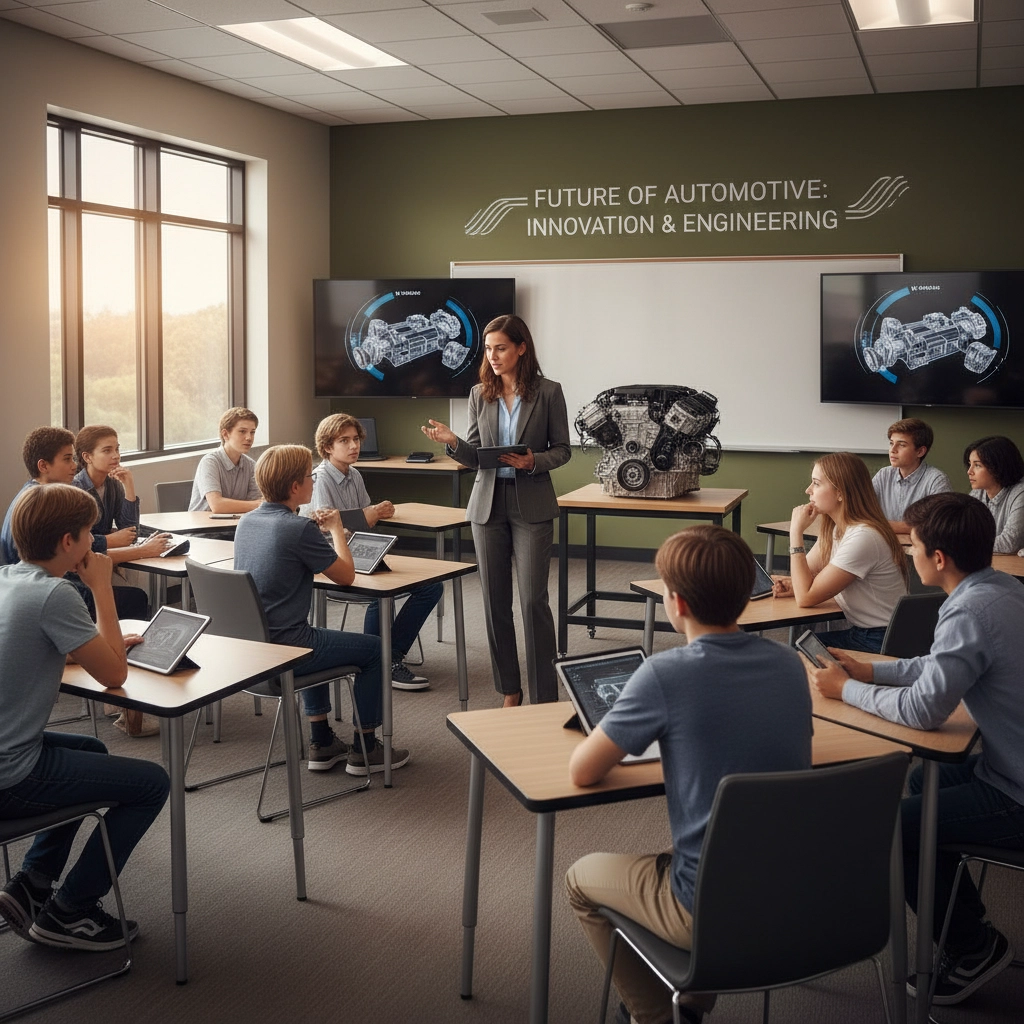
Contact program coordinators to discuss mutual benefits. Schools want real-world connections for their students while businesses need customer pipeline development. The alignment creates win-win relationships that benefit everyone involved.
Consider starting small with equipment donations or guest speaking opportunities. As relationships develop, explore larger commitments like simulator sponsorships or internship programs. The key is building genuine partnerships rather than transactional relationships.
Measuring Partnership Success
Successful partnerships require clear metrics and regular evaluation. Track student engagement, program completion rates, and post-graduation outcomes. Monitor brand awareness changes and customer acquisition from program participants.
The most valuable metrics often emerge over time. Students who participate in high school partnership programs show higher lifetime customer value, stronger brand loyalty, and more frequent referrals compared to traditional customers. These long-term benefits justify initial partnership investments.
Program success depends on authentic commitment to student success rather than purely promotional activities. Students recognize genuine educational value and respond accordingly. Partnerships that prioritize learning over marketing consistently produce better business outcomes.
The Future of Automotive Customer Development
High school partnerships represent the future of customer acquisition in the automotive industry. Traditional advertising struggles to reach younger demographics effectively, while educational partnerships create authentic connections that last lifetimes.
The automotive industry needs skilled workers, informed consumers, and brand advocates. High school partnerships develop all three simultaneously, creating sustainable competitive advantages for participating businesses.
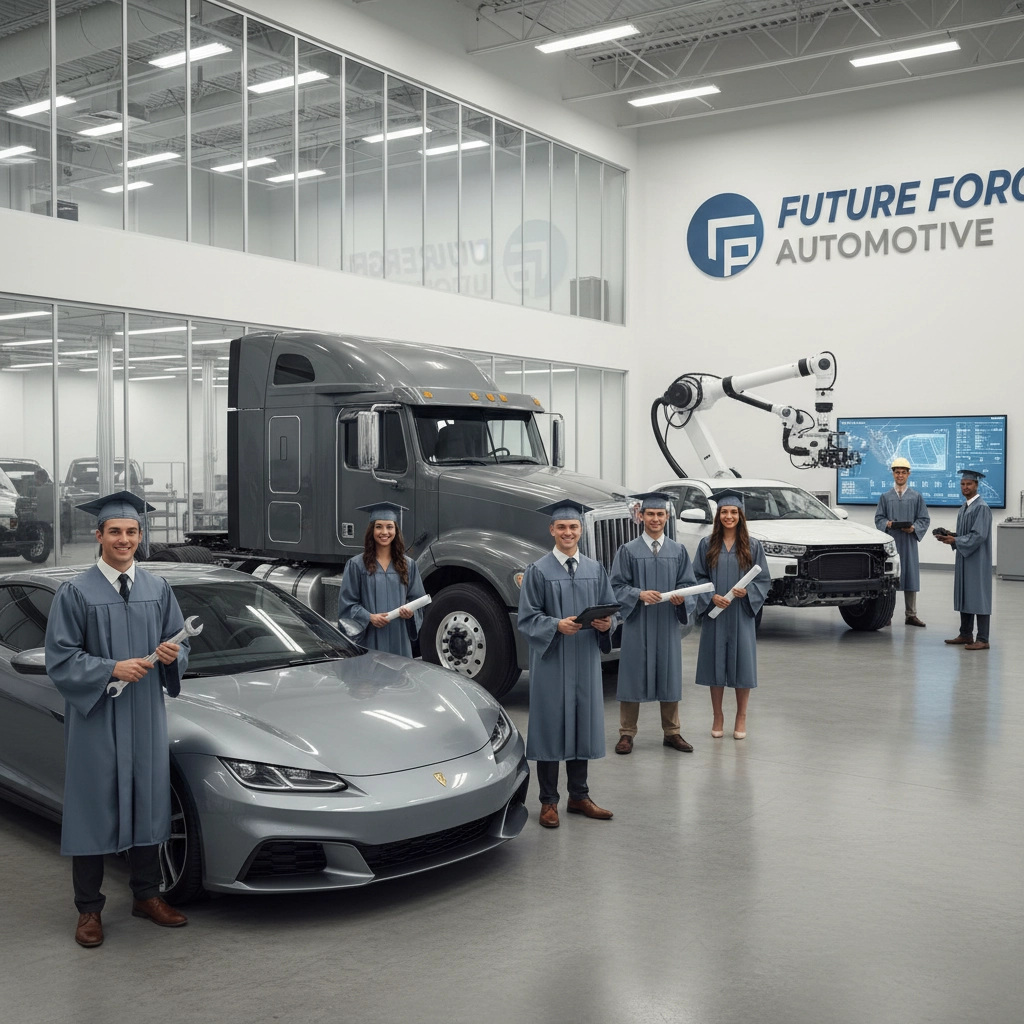
Smart automotive companies are already building these relationships. Schools actively seek industry partners who can provide real-world learning experiences. The opportunity exists now for businesses ready to invest in tomorrow's customers through today's students.
The question isn't whether high school partnerships work – the evidence is overwhelming. The question is whether your business will be part of this educational revolution or watch competitors build relationships with your future customers.
Ready to explore partnership opportunities in your area? Start by reaching out to local schools and discovering how your expertise can enhance their automotive programs. The relationships you build today will drive your business success for years to come.