
Hello world! If the thought of merging onto a busy highway or navigating a tight parking lot makes your heart race, you are definitely not alone. Many people feel a sense of worry when they get behind the wheel. Driving is a big responsibility, and it’s normal to feel the weight of that.
At Drive Fear Free, we believe that everyone deserves to feel safe and confident on the road. Fear doesn't have to be your co-pilot. With the right steps, steady practice, and a simple shift in how you look at the road, you can turn that anxiety into a sense of calm control.
This guide is here to help you understand why those nerves happen and, more importantly, how to move past them. Let’s look at how we can make driving feel like a natural, easy part of your day.
Why Driving Feels Overwhelming
Driving can feel like a big step into uncertainty for many people. When you are on the road, there is a lot happening at once. The motion of traffic, the speed of surrounding vehicles, and the responsibility of making quick decisions can all create pressure.
Fear behind the wheel often comes from feeling out of control. Busy intersections, fast highways, or unfamiliar routes can make situations feel unpredictable. If you’ve had a negative experience in the past or haven’t driven in a long time, that hesitation can grow.
These reactions are common, especially when your confidence hasn't fully developed yet. It is important to recognize that comfort on the road is something you learn over time; it isn't always automatic. By understanding that your brain is just trying to keep you safe, you can start to work with those feelings instead of against them.
Setting Yourself Up for a Calm Drive
A smoother driving experience often starts before you even leave your parking spot. Think of this as your "pre-flight check." Small preparations can reduce uncertainty and help you feel more grounded before the car even moves.

Here are a few simple things you can do to set yourself up for success:
- Check Your Space: Adjust your seat and mirrors so you have a clear view of everything around you. Feeling physically comfortable in your seat makes a big difference.
- Know Your Vehicle: Make sure your car is in good working condition. Knowing you have enough fuel and that your tires are ready for the road removes one more thing to worry about.
- Plan Your Route: Use a navigation app to look at your route before you start. Knowing which lane you need to be in or where your turns are can lower your stress.
- Give Yourself Time: Rushing is a major cause of driving anxiety. By leaving ten minutes early, you remove the pressure of the clock.
If you are looking for more structured guidance, our Education programs offer great resources for getting started with the right mindset.
Start Small and Build Up Gradually
Confidence grows through repetition in manageable steps. You wouldn't try to run a marathon without walking first, and driving is no different. Instead of jumping into difficult driving situations right away, begin with environments that feel safer and more predictable.
We recommend creating a "Practice Ladder." This is a list of driving tasks ranging from very easy to more challenging. You only move to the next step when the current one feels comfortable.
- Level 1: Sit in your car in the driveway and get used to the controls without the engine running.
- Level 2: Drive around a quiet residential block during a time with very little traffic.
- Level 3: Practice basic turns and stops in a large, empty parking lot.
- Level 4: Take a short trip to a local store you know well.
- Level 5: Drive on a slightly busier road with a supportive friend in the passenger seat.
As comfort increases, slowly introduce more complex conditions like heavier traffic or longer distances. Each successful drive helps reinforce your ability to handle the road.
The Simulator Advantage: A Safe Place to Learn
One of the best ways to build muscle memory without any of the real-world pressure is through simulation. At Drive Fear Free, we use Esports Pod Simulators to help drivers get comfortable with the mechanics of driving in a 100% safe environment.
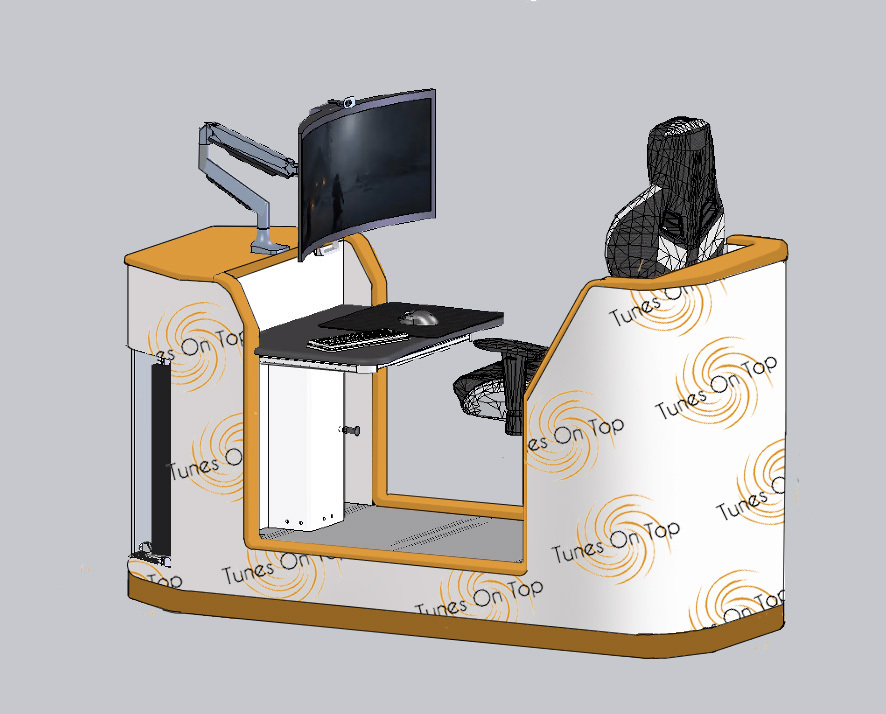
These simulators allow you to practice steering, braking, and reacting to traffic patterns without ever leaving the room. It’s a great way to build the "brain-body connection" needed for driving. Car dealers and schools often use these to help new drivers gain experience. You can learn more about how we integrate these into Advance Driver Training to help bridge the gap between fear and freedom.
Shift Attention to Safe Habits
Rather than focusing on the "what ifs" or the fear itself, try to redirect your attention toward consistent driving habits. When you focus on a specific task, your brain has less room to focus on anxiety.

Focusing on these simple habits creates structure:
- Following Distance: Keep a generous gap between you and the car in front. This gives you more time to react and lowers the feeling of being rushed.
- Clear Signaling: Use your turn signals early. When you communicate clearly with other drivers, the road becomes more predictable for everyone.
- Stay Aware: Regularly glance at your mirrors. Knowing what is happening around you helps you feel like you are in charge of your space.
You cannot control everything on the road: like the weather or other drivers: but you can control how carefully and consistently you drive. This shift in focus is a powerful tool for staying calm.
Handling Stress While Driving
If anxiety appears while you are moving, it helps to stay steady instead of reacting quickly. Nerves can sometimes make us want to jerk the wheel or slam the brakes, but staying smooth is the key to safety.
If you feel overwhelmed, try these simple steps:
- Just the Next Step: Don't think about the whole trip. Just focus on the next 100 feet. "I am staying in my lane. I am maintaining my speed."
- Breathing: Take a slow breath in through your nose and out through your mouth. This tells your body that you are okay.
- Find a Safe Spot: If you need to, it’s perfectly okay to pull over in a safe location, like a parking lot or a side street. Take a moment to reset, check your map, and continue when you feel ready. Pausing briefly is a smart way to restore your focus.
Mistakes Are Part of Learning
Every driver makes errors at some point. Maybe you took a wrong turn, hesitated a bit too long at a green light, or misjudged a parking spot. These moments do not define your ability as a driver. They simply show where your experience is still building.
Even the most experienced drivers make mistakes. The difference is that they don't let those mistakes stop them from moving forward. When something doesn't go perfectly, take a breath, learn what you can from it, and keep going. With time, these situations become less stressful and much easier to manage.
Moving Toward Confidence
Fear-free driving doesn't mean you will never feel a single nerve again. It means learning how to stay in control even when you feel a little uncertain. With practice, preparation, and patience, driving becomes less about fear and more about awareness and skill.
At Drive Fear Free, we are dedicated to helping people reclaim their independence on the road. Whether it’s through our Dealer Marketing Programs that bring safety tech to the community or our direct training resources, we are here to support your journey.
Take it one mile at a time. You've got this!