

By Victoria Teresa Alescio
Hello world!
Driving can feel simple one day and difficult the next. Traffic, weather, unfamiliar roads, past experiences, and busy schedules can all affect how comfortable you feel behind the wheel.
The first step is not to drive faster or push through every concern. The first step is to slow down, create a clear plan, and build confidence through safe repetition.
Drive Fear Free supports safer driving for cars, trucks, boats, RVs, and emergency vehicles. Through advanced driver training, simulator-based driver education, and safety-focused programs, drivers can practice important skills in a controlled setting before applying them in the real world.
The goal is straightforward: make every drive a step forward.
Start With a Clear Mind
Before you begin a drive, take a moment to prepare. You do not need a complicated routine. A few simple actions can help you feel more in control.
First, check your route. Know where you are going and allow enough time to get there. Rushing can increase stress and make ordinary situations feel more difficult.
Next, remove distractions. Put your phone away. Adjust the mirrors, seat, and climate controls before moving. Check that everyone is wearing a seat belt.
Then, take a slow breath. Notice how you feel. If you are tired, upset, or too distracted to focus, consider whether the trip can wait.
A clear mind helps you make better decisions. It also gives you a starting point for understanding your own driving habits.
For new drivers, parents, schools, and dealership partners, structured education can make this process easier. Drive Fear Free education programs are designed to support safe and responsible driving for learners and experienced operators.
Do Not Let the Road Rush You
Other drivers may speed, change lanes quickly, or follow too closely. Their choices do not have to determine yours.
Keep a safe following distance. Use your signals. Look ahead for changes in traffic, pedestrians, cyclists, construction, and road conditions. If you miss a turn, continue safely and find another route. A missed turn is not an emergency.
When possible, choose routes that match your current comfort level. A familiar road can be a useful place to practice before moving to a busier highway or unfamiliar area.
This does not mean avoiding difficult roads forever. It means approaching them in stages. A gradual plan can help drivers develop confidence without taking unnecessary risks.
A safety-focused driving academy should teach awareness and good decisions, not aggressive driving or high-risk maneuvers. Research from the National Highway Traffic Safety Administration also shows why advanced training should be designed carefully. Increased confidence is helpful only when it is connected to responsible driving behavior.
Confidence Comes From Repetition
Confidence rarely appears after one lesson. It grows as you repeat safe actions and learn what to expect.
You can begin with small goals:
- Drive around a familiar neighborhood.
- Practice smooth stops and turns.
- Use a quiet parking lot to review basic vehicle controls.
- Drive during daylight before practicing at night.
- Take short trips before planning longer ones.
- Practice one new road or situation at a time.
Keep your attention on the process. You are not trying to prove anything to another driver. You are learning how to manage the vehicle, read the road, and make safe choices.
Simulator-based driver education can support this process. A simulator allows a student or professional driver to review conditions in a controlled environment. It can be used to discuss hazards, vehicle control, and decision-making before a learner faces those situations on the road.

For high schools, municipalities, and dealerships, a small-footprint simulator can provide an accessible way to introduce driver education. It can fit into a classroom, media center, dealership event, or community program.
Turn Nervous Energy Into Awareness
Feeling nervous does not always mean you should stop. Sometimes it means you need to pay closer attention.
Use nervous energy as a reminder to check your speed, increase your following distance, and scan the road. Keep both hands in a comfortable position on the wheel. Look well ahead instead of focusing only on the vehicle directly in front of you.
Try to identify the specific situation causing concern. Is it highway merging? Heavy traffic? Driving at night? Parking in a crowded area? Rain or snow?
Once you identify the situation, you can create a practice plan. A qualified instructor can help you start with a lower-pressure version of the challenge and build from there. This approach is often part of driving anxiety coaching and driver confidence programs.
A simulator can also help instructors repeat a specific situation without exposing a learner to real-world danger. The purpose is not to make the experience exciting. The purpose is to create a safe place to learn, pause, review, and try again.
Simulator Tools for Schools and Dealership Events
Drive Fear Free uses small-footprint simulator experiences to connect education, safety, and community engagement. These tools can be placed in schools and used as part of high school driver education or dealership sponsorship programs.
The simulator pods also support esports and event marketing. When used responsibly, they can create a natural connection between students, families, schools, and local automotive businesses.
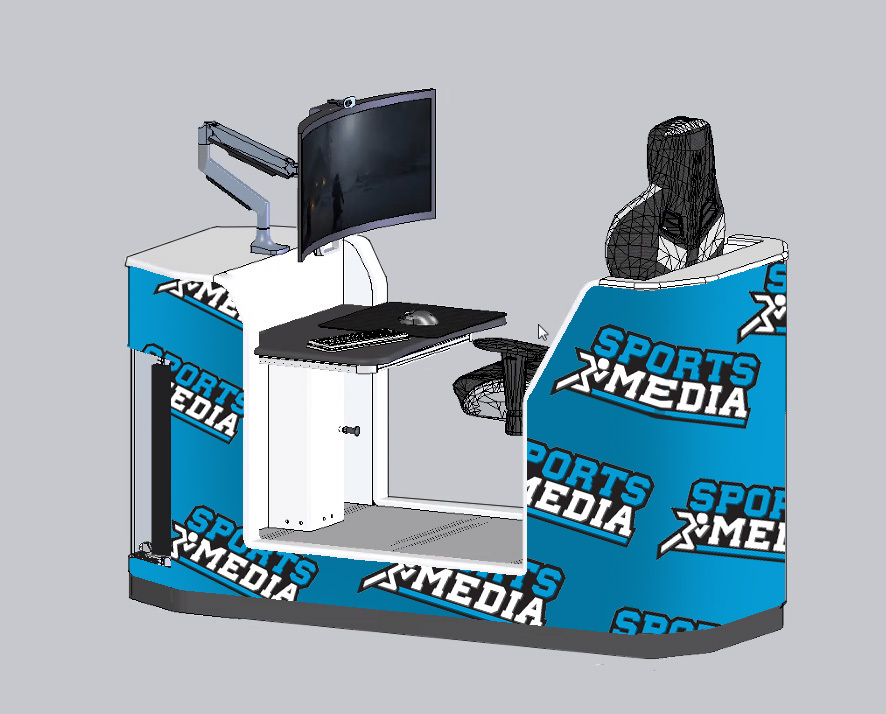
The Sports X Media pod provides an interactive racing experience that can support school events, esports programs, and branded community activities. A dealership can use this type of activation to support local students while sharing safe-driving messages.
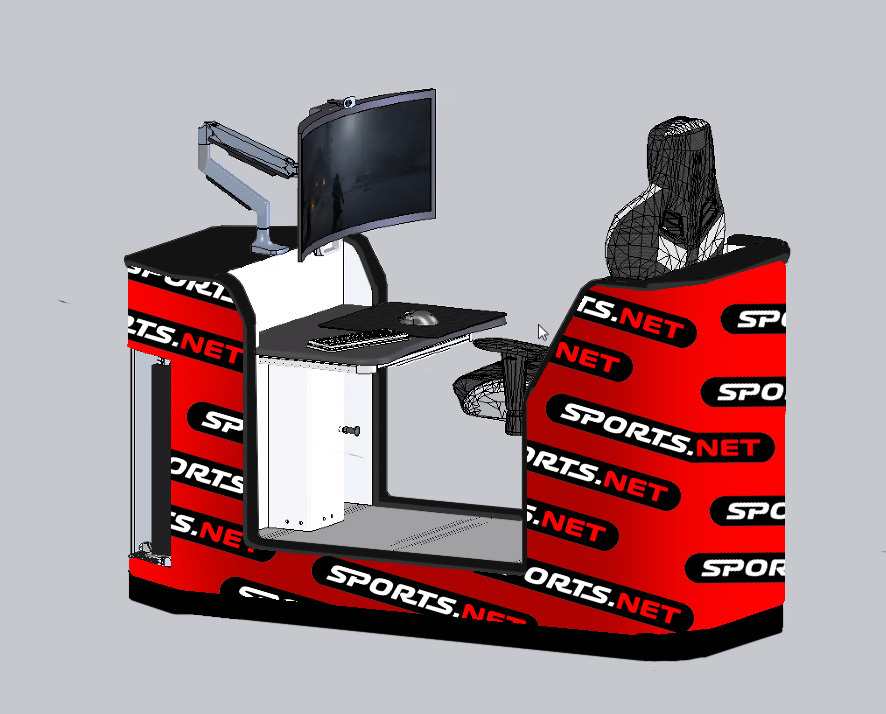
The compact racing simulator is designed for locations where space is limited. It can work in a school common area, media center, showroom, or event space. Its smaller footprint makes it easier to place in more communities.
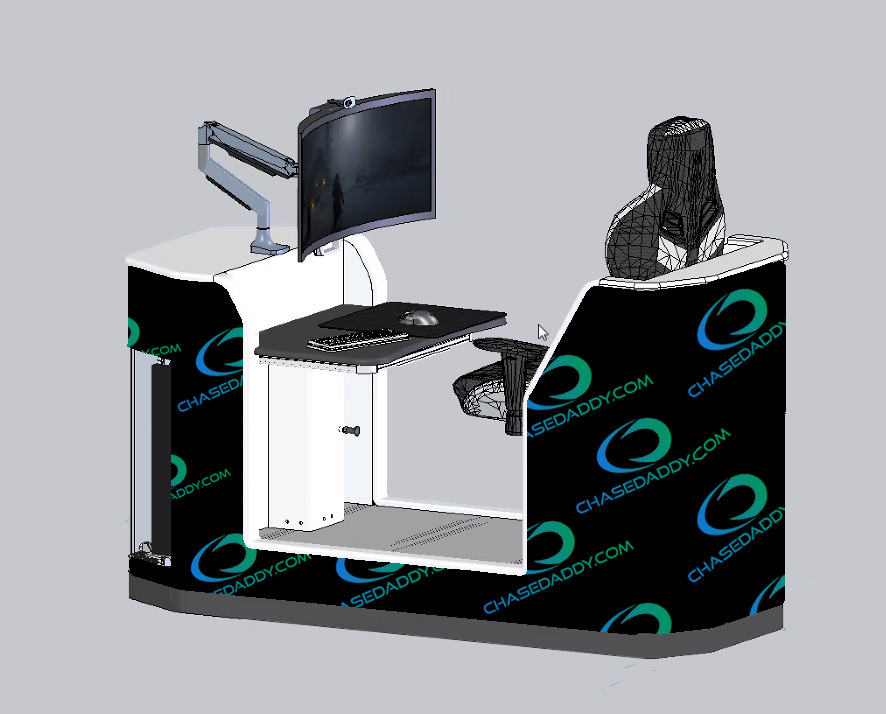
The CHASEDADDY.COM pod offers another branded option for high-school esports and dealership-sponsored experiences. It can help bring students into a safety-focused program while giving a dealership a visible role in community education.
These pods should support education rather than replace licensed instruction or real-world practice. Their value comes from allowing learners to review situations, understand choices, and build familiarity in a controlled environment.
Know When Not to Drive
Taking back the road also means knowing when to wait.
Do not drive if you are impaired by alcohol, drugs, or medication that affects alertness. Avoid driving when you are extremely tired or unable to focus. Severe weather may also require you to delay a trip or choose another form of transportation.
If anxiety becomes overwhelming, pull over in a safe location. Do not stop in a travel lane or on the shoulder unless it is necessary. When possible, use a parking lot or other safe area away from traffic.
If driving anxiety continues to interfere with daily life, consider speaking with a qualified health professional and a trained driving instructor. A supportive plan may combine professional care, gradual practice, and safety-focused instruction.
The goal is not to ignore fear. The goal is to understand it and respond safely.
Make Every Drive a Step Forward
Progress can be easy to miss. A short trip completed calmly is progress. A safer lane change is progress. Asking for help is progress. Choosing not to drive when conditions are unsafe is also progress.
Keep a simple record of what you practice. Write down the route, conditions, and what felt manageable. Over time, this can show you where your skills are improving and where more support may help.
Parents can use the same approach with new drivers. Focus on clear instructions and one skill at a time. Avoid adding pressure during a difficult situation. A calm conversation after the drive is usually more useful than criticism during it.
Dealerships, manufacturers, auction houses, boat dealers, RV dealers, and automotive service businesses can also support safer communities. Sponsoring a school simulator, sharing public safety messages, or working with a safety-focused organization can build a meaningful local connection.
Drive Fear Free combines driver education with marketing and community outreach. Its services include content marketing, social media marketing, CRM support, dealership programs, digital out-of-home advertising, and high-school simulator sponsorships. These services give automotive, boat, and RV businesses ways to promote safety while reaching local families and future customers.
The Closing
You do not have to become a perfect driver before you feel confident. You need a clear starting point, useful instruction, and enough safe repetition to understand what you can manage.
Start with one route. Practice one skill. Ask one question. Use a simulator or instructor when a controlled learning environment would help. Then apply what you learn carefully on the road.
Taking back the road is not about driving without concern. It is about making thoughtful decisions, recognizing your limits, and continuing to build safe habits.
For more information about the mission and programs, visit the About Drive Fear Free page. Whether you are a student, parent, professional driver, dealership general manager, school leader, or community partner, the next step can be simple: learn, practice, and move forward safely.
#DakdanWorldwide #DriveFearFree #Fearless #NewBeginnings