
Hello world! Welcome to a new perspective on being behind the wheel.
Most people are taught how to drive, but very few are taught how to feel comfortable doing it. That gap is where anxiety often grows. At Drive Fear Free, we are all about closing that gap: retraining not just your driving skills, but your mindset so the road feels less like a threat and more like a system you understand.
My name is Victoria Teresa Alescio, and I want to walk you through how we can transform the way you approach the road.
When Driving Stops Feeling Simple
At some point, driving can start to feel heavier than it should. A simple lane change becomes overthinking. A green light comes with hesitation. A busy intersection feels like a test instead of a routine moment.
This usually doesn’t come from a lack of ability: it comes from overload. Too many thoughts, too many “what ifs,” and too much focus on outcomes instead of actions. When your brain is moving faster than the car, anxiety takes the driver's seat.
Drive Fear Free starts by shifting attention back to the basics: what is happening right now, not what might happen next. We help drivers move away from the "performance" mindset and back into a "process" mindset.
Fear Is Information, Not Instruction
Fear while driving is often misunderstood. It’s not a stop sign: it’s feedback. It usually points to something specific that your brain hasn't quite reconciled yet:
- Lack of familiarity with a road type (like merging onto a busy highway).
- Limited repetition in certain conditions (driving in heavy rain or at night).
- Past stressful experiences stored in memory (a previous accident or a "near miss").
- Pressure to “perform perfectly” in traffic, feeling like other drivers are judging your every move.
Instead of treating fear as something to fight, the idea is to recognize it and decode it. Once you understand what is triggering the discomfort, it becomes easier to address it directly. We use principles similar to Cognitive Behavioral Therapy (CBT) to identify these triggers and replace catastrophic "what if" thoughts with realistic, actionable data.
Rebuilding Comfort Through Familiarity
Confidence doesn’t come from thinking: it comes from repetition.
A road that once felt overwhelming becomes normal after enough exposure. A maneuver that once felt complicated becomes automatic after enough practice. The brain slowly stops treating driving as a high-alert situation and starts treating it as a known routine.
This is why small, repeated drives in different conditions matter more than rare long trips. Familiarity removes surprise, and without surprise, fear has less room to grow. This "gradual exposure" is a cornerstone of our philosophy. We encourage drivers to build a "confidence ladder," starting with the easiest tasks: like driving around the block: and slowly stepping up to more complex environments.
The Power of Simulation and Technology
One of the most exciting ways we bridge the gap between fear and familiarity is through technology. At Drive Fear Free, we’ve pioneered the use of esports pod simulators to help drivers practice in a zero-risk environment.
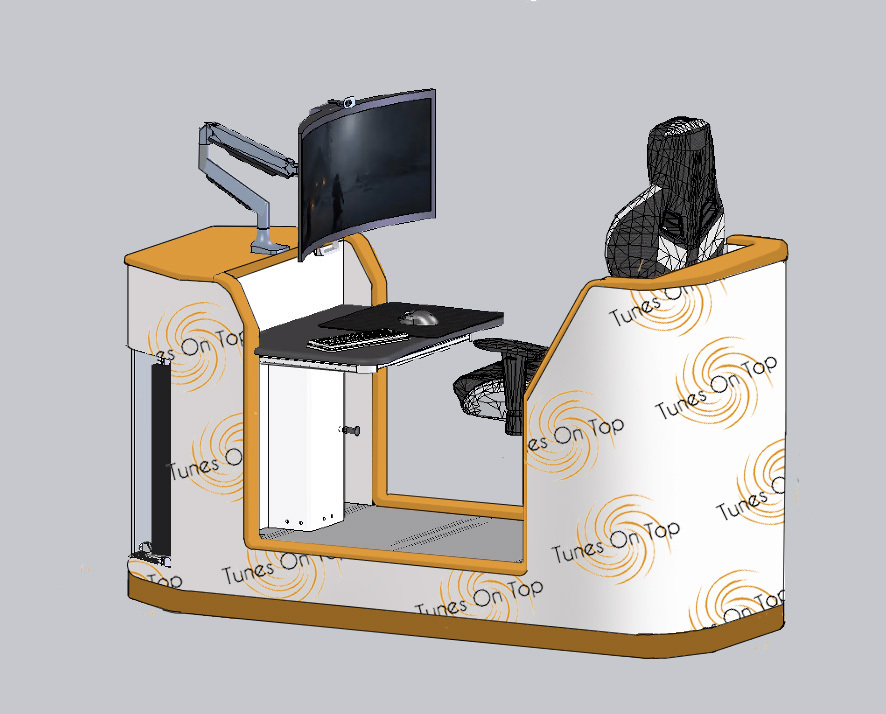
These simulators allow new drivers and those with anxiety to experience highway merges, inclement weather, and heavy traffic without the physical danger. It’s about building muscle memory and mental resilience. When you’ve "merged" into virtual traffic fifty times in a simulator, the real-world action feels much more like a routine you've already mastered.
Modern vehicles also include visibility aids and driver assistance systems. While these are helpful, the goal is not dependency. These features should act like backup support. Real confidence comes from understanding how to drive without them, knowing they are there only to enhance your awareness, not replace it.
Community Partnerships: Car Dealers and Schools
Driving doesn't happen in a vacuum. It’s a community activity. That’s why we work closely with car dealerships and high schools to create a supportive ecosystem for drivers.
Through high school partnerships, we bring these simulators directly to students, helping them build a foundation of safety and confidence before they even hit the main roads. For car dealers, offering "confidence-onboarding" moments during vehicle delivery transforms them from just sellers into true partners in their customers' safety.

Slowing Down the Mental Pace
One of the biggest reasons driving feels stressful is mental speed. Thoughts move faster than the situation itself:
- “What if I mess up this turn?”
- “That car is too close.”
- “I should have taken another route.”
We encourage a different rhythm: matching your thinking speed to your driving speed. This means not rushing decisions, not predicting too far ahead, and letting each moment resolve before moving mentally to the next.
If you are driving at 30 mph, your brain shouldn't be processing "what if" scenarios for a highway 10 miles away. Stay in the now. Check your mirrors, maintain your speed, and breathe.
Control What Actually Matters
A key shift in mindset is understanding control. You do not control traffic, weather, or other drivers. Trying to manage those creates unnecessary tension.
What you can control is limited but powerful:
- Your following distance.
- Your speed choice.
- Your attention level.
- Your reaction timing.
- Your decision to wait or proceed.
Confidence grows when your focus stays on these controllable elements instead of everything outside your influence. By narrowing your focus to your own actions, the external chaos of the road starts to feel like background noise rather than a direct threat.

Driving Without the Extra Weight
A fear-free driving mindset doesn’t remove responsibility: it removes unnecessary pressure. It allows drivers to stop treating every trip like a high-stakes performance and start treating it like a process.
Over time, something subtle changes: fewer mental interruptions, smoother reactions, and a quieter mind behind the wheel. You aren't just "getting through" the drive; you are navigating it with clarity.
Final Thought
Driving will always require attention and respect, but it doesn’t need to feel overwhelming. When fear is understood instead of resisted, and experience replaces uncertainty, the road becomes less of a challenge and more of a familiar space.
Drive Fear Free is not about eliminating caution; it’s about removing unnecessary fear so your focus, skill, and awareness can do their job properly. Whether you are a new driver or someone looking to reclaim your independence on the road, remember: the goal is progress, not perfection.
Stay safe, stay calm, and let's get back on the road together.
#NewDrivingSkills #Fearless #DriveFearFree #TacklingChallenges #DakdanWorldwide