

Saturday, August 15, 2026
Hello world! Welcome to today’s dealership growth newsletter.
This edition focuses on three practical areas:
- Generating more qualified leads
- Using CRM automation to improve follow-up
- Building trust through driver education and safety marketing
Each recommendation is designed for automotive dealerships. The same ideas can also support boat, RV, and commercial vehicle dealers.
You do not need to change your entire marketing plan today. Start with one action, measure the result, and improve from there.
Growth Hack of the Day: Make It Easier to Start a Conversation
Many dealership websites still ask shoppers to complete long forms before they can ask a simple question. This creates friction.
A shopper may only want to know:
- If a vehicle is still available
- Whether the dealership accepts trade-ins
- What payment options may be available
- If a vehicle has a specific safety feature
- When they can schedule a test drive
Add a simple “Text Us” or “Ask a Question” option to your website, inventory pages, and service pages.
Steps to implement this today
- Choose one high-traffic page, such as a vehicle detail page.
- Add a visible text or chat button near the main call to action.
- Use a short message that asks what the shopper needs.
- Connect the conversation to your CRM.
- Record the vehicle of interest and the lead source.
- Review the number of conversations started each week.
A simple first response could be:
Thanks for contacting [Dealership Name]. What vehicle or service question can we help with today?
The first message should be useful. It should not create pressure. A short question gives the shopper an easy next step and helps your team understand the request.
Marketing Tip: Turn Every Campaign Into a Local Story
Dealership marketing performs better when it connects to the community. A standard sales ad may promote a discount or a new model. A local campaign can show why the dealership is involved in the area.
Consider creating content around:
- Local high school activities
- Driver education
- Teen driving safety
- Community events
- Seasonal road conditions
- Vehicle maintenance
- New technology and safety features
- Customer delivery stories
- Local sports partnerships
Drive Fear Free helps dealers connect with schools and communities through sponsorships, content, social media, and digital out-of-home advertising. The goal is to create a consistent message across the places where people live, work, shop, and travel.
A simple weekly content plan
Monday: Inventory or service tip
Highlight one vehicle, service package, or ownership question. Keep the message specific.
Tuesday: Safety education
Explain one feature in plain language. For example, describe how blind-spot monitoring can help a driver notice a vehicle nearby.
Wednesday: Community message
Show a school sponsorship, community event, or local partnership.
Thursday: Customer question
Answer a question that sales or service staff hear often.
Friday: Video walkaround
Publish a short video that shows the vehicle from the driver’s point of view. Include two or three useful features.
Saturday: Appointment reminder
Invite shoppers to schedule a test drive, service visit, or vehicle consultation.
This schedule gives your team a repeatable process. It also creates content that can be reused in email, social media, website articles, and digital advertising.
For help planning content and campaigns, review the Drive Fear Free services page.

CRM Automation Advice: Build a Simple Lead Follow-Up Path
CRM automation should make the customer experience more consistent. It should not replace personal communication.
A useful workflow begins when a shopper submits a form, starts a chat, sends a text, or scans a QR code.
Recommended workflow
-
Capture the lead
Record the customer’s name, contact information, vehicle interest, and marketing source.
-
Send an immediate confirmation
Let the shopper know the request was received. Include the next step.
-
Notify the right employee
Route the lead to the sales, service, internet, or business development team.
-
Set a follow-up task
Assign a specific employee and a specific deadline.
-
Send helpful information
Provide inventory details, financing resources, service information, or a vehicle comparison.
-
Track engagement
Record replies, link clicks, appointments, and changes in vehicle interest.
-
Move inactive leads into a nurture list
Continue providing useful information without sending repeated sales messages.
A CRM system can also help your team identify which leads need attention first. A shopper who replies to a text or visits the same vehicle page several times may need faster follow-up than someone who only downloaded a general guide.
Drive Fear Free offers CRM software designed to help dealerships manage customer interactions, automate routine tasks, and review engagement information. Learn more through the services page.
Three automations to review this week
New lead response
Create a confirmation message for leads received during business hours and after hours.
Appointment reminder
Send a reminder 24 hours before a test drive or service appointment. Include the dealership address and a contact option.
Inactive lead check-in
Send a helpful message after a set period. Ask whether the shopper is still looking for a vehicle or needs additional information.
Keep these messages short. Give the customer a clear way to reply or opt out when appropriate.
Dealership Growth Tip: Measure Lead Quality, Not Just Lead Volume
A campaign may generate many form submissions but few appointments. Another campaign may create fewer leads but more showroom visits and sales.
Review lead quality by source.
Track:
- Total leads
- Contacted leads
- Two-way conversations
- Appointments set
- Appointments completed
- Vehicles sold
- Service appointments
- Cost per appointment
- Cost per sale
Use the information to compare search ads, social media, email, referrals, digital out-of-home, school sponsorships, and other marketing channels.
Do not judge a campaign only by clicks. A campaign that creates a meaningful conversation may be more valuable than one that creates a large number of low-intent visits.
Digital out-of-home advertising can support this process by increasing local awareness. Use a simple message and a trackable QR code. The code can lead to:
- A current inventory page
- A test-drive form
- A safety guide
- A school sponsorship page
- A service offer
- A dealership event registration page
Drive Fear Free’s dealer marketing programs include social media advertising, email marketing, promotional events, SEO, safety messaging, and digital advertising options.
Driver Education Insight: Teach Safety in Small, Useful Steps
Safety content should be clear enough for a first-time driver, a parent, or a customer comparing vehicles.
Choose one topic at a time. Avoid listing every feature in a single post.
Useful topics include:
- How to adjust mirrors correctly
- Why tire pressure matters
- How to use automatic emergency braking
- What blind-spot monitoring can and cannot do
- Why distracted driving is dangerous
- How to prepare for winter driving
- When to replace windshield wipers
- How to secure items in an SUV or truck
- Why new drivers should limit passengers
- How to check a vehicle before a long trip
A dealership can publish the same topic in several formats:
- A short website article
- A 30-second social media video
- An email message
- A showroom handout
- A digital billboard message
- A school or community presentation
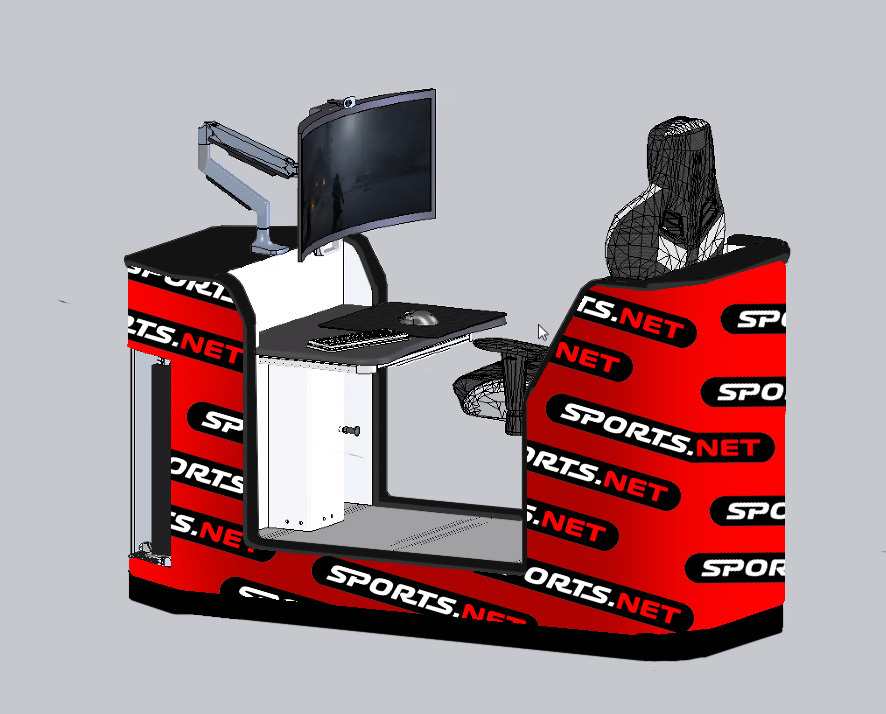
A high school simulator sponsorship can add an in-person education component. Through a small footprint simulator, a dealership can support a local school’s driver education program while building a connection with students, parents, and school networks.
The activation can include:
- Dealer branding on the simulator
- Safety information for students and families
- A QR code to a local resource page
- Social media content
- Community or local press outreach
- Follow-up information managed through the CRM
Learn more about Drive Fear Free’s education programs.
Quick Action Checklist
Complete one or more of these actions today:
- Add a text or chat option to one high-traffic inventory page.
- Write one automated lead confirmation message.
- Set a follow-up task for every new internet lead.
- Publish one safety FAQ on your website.
- Create a short video about one driver-assistance feature.
- Review the last 30 days of leads by source.
- Add a trackable QR code to one local advertising campaign.
- Identify one nearby high school for a safety or simulator sponsorship conversation.
- Review your dealership’s Google Business Profile for current hours, photos, services, and contact information.
- Ask your team which customer question should become the next blog post.
Final Note
Dealership growth does not always require a larger advertising budget. It often starts with better follow-up, simpler communication, useful education, and a stronger local presence.
Choose one small improvement. Assign ownership. Measure the result. Then decide what to change next.
For more information about Drive Fear Free, visit the About page, review our services, or explore our dealer marketing programs.
Questions can be submitted through the website contact process or the WordPress comment form below.
By Victoria Teresa Alescio
#DriveFearFree #AutoDealerMarketing #DealershipGrowth #CRMAutomation #DriverEducation #RoadSafety #DigitalOutOfHome #DealerMarketing #AutomotiveMarketing